Strategic or reactive approach to water management (control of legionella)
Last September I attended a water industry conference in Manchester. It was very informative. One of the speakers asked the question: “Where did we go wrong?”
During his lecture it was evident that the question was an echo of his clients’ organisations which faced challenges due to either the lack of management systems being in place or an inadequate understanding of their responsibilities under current H&S water regulations, particularly when they faced the reality of a safety audit.
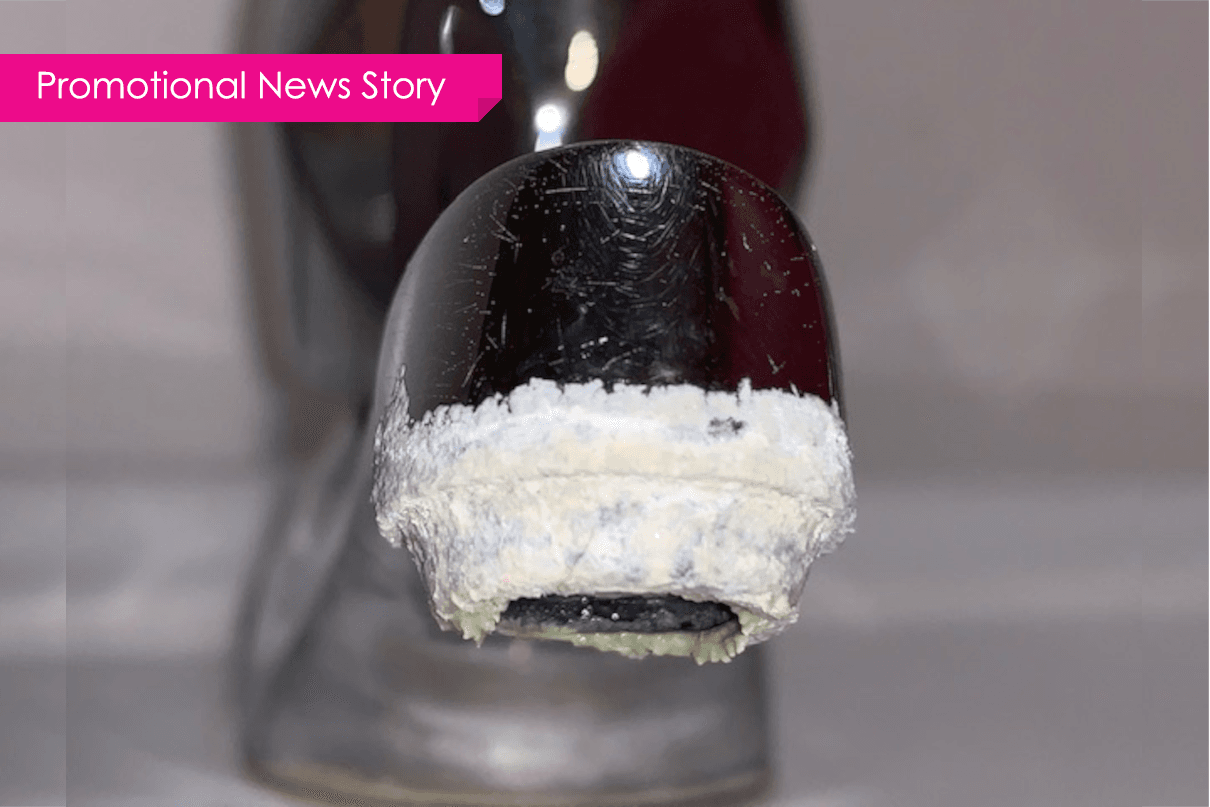
The speaker evidenced his point with photographs of various water systems’ components which had been clearly neglected as a result of a lack of planned maintenance.
His underlying theme was whether businesses should have been better prepared for the unexpected (in the context of water quality and water systems’ working condition). Where did the problem occur which ultimately landed said companies in what was thought to have been avoidable trouble?
His conclusion was simple – avoid a reactive approach and promote a planned system of works.
Unfortunately, it appears that we can find organisations that do not sign up to this kind of commercial understanding – the importance of H&S application across the board, including water systems and water quality.
The reasoning behind such an attitude may be highly complex.
In healthcare it is extremely important, dare I say, critical, that water quality be monitored and water installations be maintained according to planned service intervals. Not only at the moment when the inspector calls.
I would see this a being a strategic approach whose application begins from the conception/understanding of the risk issues through to key management hierarchy then down to the shop floor maintenance regime delivered by competent personnel.
When I hear the word ‘strategy’ or its variances, it always brings to my mind its original Greek meaning which is ‘general’ (like in the army). That means that whenever there is a strategy, there is a concept of ‘winning’ or ‘losing’ or being at ‘war’.
And we are indeed at ‘war’ when we want to achieve success (win) when dealing with potentially deadly bacteria like Legionella or Pseudomonas in water systems. These silent killers may strike anytime and anywhere, especially where the environment for their growth and multiplication is right.
All activities leading to achieving the highest water hygiene standards should be based on a pre-determined and continuous application of planned preventative maintenance tasks for specific applications. All supported by water industry guide notes and the Legionella Risk Assessment recommendations. Revision of these would form part of the overall program of works. This, in return, should help in phasing out culture of reactive works being the ‘norm’.
The application of planned works may identify parts of the water installation which need repairing or replacing before they fail (and thus potentially affect the water quality with proliferation of pathogenic matter).
Strategic (planned) maintenance programs aim to help assets to be sustained in a fit for purpose working condition and to minimise the risk of the pejorative effects of unplanned costs for reactive jobs e.g. materials and/or labour. Not to mention the down time, if that is required, to get this back to a proper and safe working condition.
I always compare a good and well-thought maintenance strategy with the foundation of a building. Once it is properly designed and constructed, the builders (competent may I add) could create a beautiful building – in our case – the maintenance plan translated into a safe water installation system.
 TWO Facilities Management Limited has produced water management strategies, including bespoke policies and procedures, for both static and mobile clinical settings to ensure that its clients would have a well-constructed foundation in place.
Reactive work on the other hand (or fire-fighting as it is often described) can be the result of a lack of available resources, not all routine maintenance items having been properly identified or, if they were, the possible wrong advice being given on the timing and nature of the works required.
Another explanation might be that the upkeep program was insufficiently managed or managed with the wrong set of skills. The lack of continuous financial commitment on the part of senior management to progress with planned maintenance is commonly used to justify the interrupted, or on some occasions non-existent, upkeep of the water installation. The list of reasons might be longer.
Scanning through source materials on the outcomes of the lack of proper maintenance of water systems in healthcare settings always fills me with fear that it may happen anytime and anywhere, when and where the water systems are not part of any well thought through and scrutinised maintenance regime. The results could be serious if not fatal.
However, if we are willing to consider introducing a well-thought out strategic approach, we may never have to face the question ‘where did we go wrong?’
Lead picture: Lack of maintenance plan leads to poor cleanliness of water outlets.
This news story has been sponsored by the companies concerned and does not represent the views or opinions of RAD Magazine.