AXREM launches women’s health diagnostic imaging paper alongside its Women’s Network
AXREM unveiled its diagnostic imaging report in Parliament recently, timed to coincide with the launch of the AXREM Women’s Network. The association believes these together signal a decisive step toward tackling long‑standing inequalities in access to timely, accurate and life‑saving diagnostic services for women.
“For decades, women have faced avoidable barriers to diagnosis, barriers that have cost lives, delayed treatment and left too many navigating a healthcare system not designed with their needs in mind,” AXREM says. “The new paper confronts this reality head‑on, arguing that diagnostic imaging is not simply a clinical tool but a critical lever for national health, economic productivity and gender equity.”
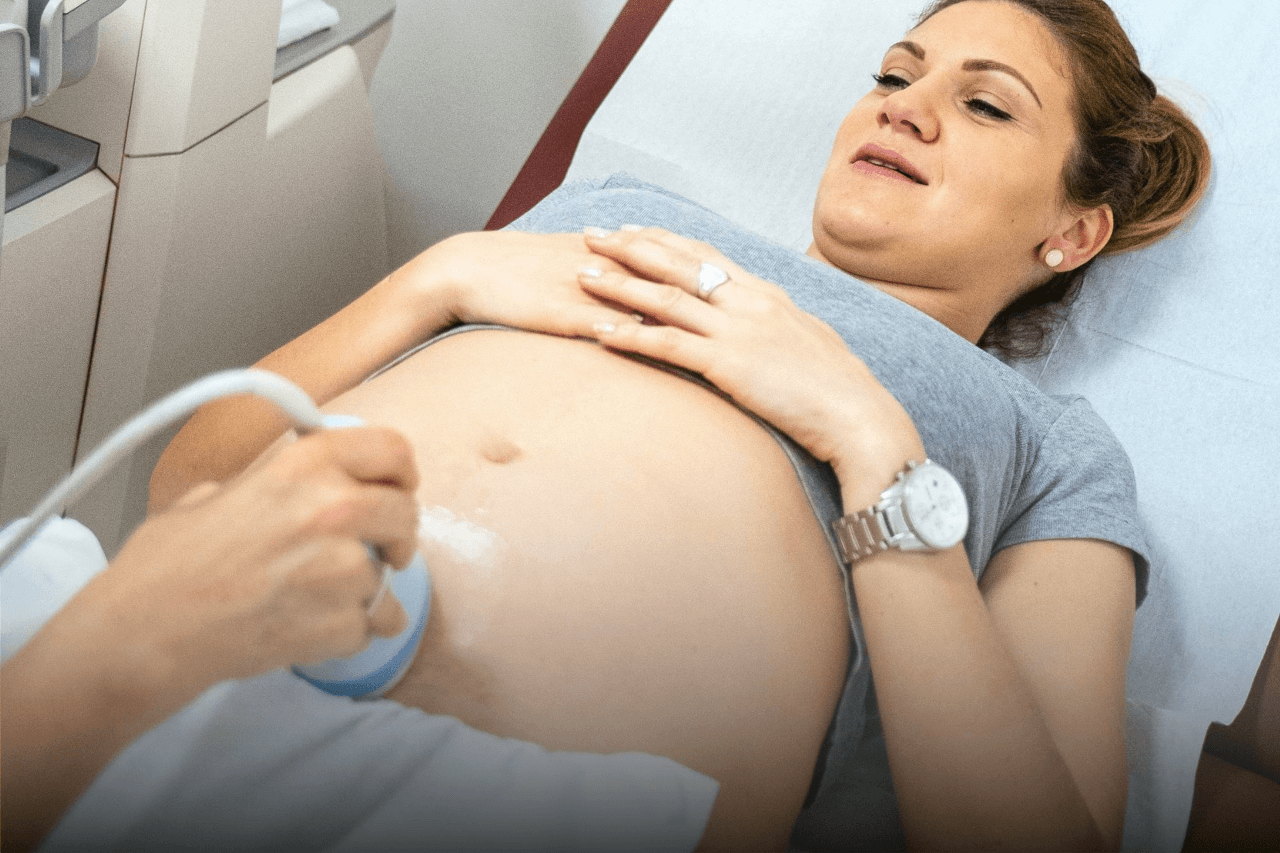
Diagnostic imaging already plays a central role in women’s health, from breast cancer screening to gynaecological care, fertility and pregnancy. However, the report highlights that many conditions present differently in women and historic research built largely on male populations has left gaps in understanding. Cardiovascular disease, for example, often manifests with subtle symptoms in women, leading to missed or delayed diagnoses. Meanwhile, conditions like endometriosis continue to suffer from slow, inconsistent diagnostic pathways due to limited access to high end ultrasound equipment and specialist sonographers.
The report underscores the life‑changing impact of technologies already in use. The NHS Breast Screening Programme detects more than 16,000 primary breast cancers a year, with mammo-graphy now enhanced by 3D imaging and contrast‑enhanced techniques remaining the gold standard for early detection. Ultrasound shapes the reproductive and maternal health journeys of millions of women. MRI and emerging AI‑powered tools promise even greater accuracy, efficiency and earlier intervention.
AXREM says its message is clear: innovation alone is not enough. “Without sustained investment, modern equipment and a well supported workforce, the UK risks widening the gaps it seeks to close. The report calls for long‑term funding to modernise imaging infrastructure, expand community diagnostic centres and neighbourhood health hubs and strengthen training for radiographers, sonographers and allied health professionals.
The AXREM Women’s Network is a platform dedicated to elevating women working across diagnostic imaging, radiotherapy and healthcare IT. Its creation reflects AXREM’s belief that improving women’s health outcomes must go hand in hand with improving representation, leadership and visibility within the sector itself.
AXREM CEO Sally Edgington commented: “Launching this paper in Westminster mattered. Women’s health has been sidelined for too long and placing this work at the centre of political decision making was essential.”
“The launch of the AXREM Women’s Network alongside this report shows our commitment not only to improving outcomes for women, but to elevating women within our own sector. Westminster was the right place to start this conversation and now it’s time to turn it into change.”
Picture: Diagnostic imaging plays a central role in women’s health.
Published on page 11 of the April 2026 issue of RAD Magazine.