End of support doesn’t mean end of use: how Probo Medical kept a nuclear medicine system running in the north of England
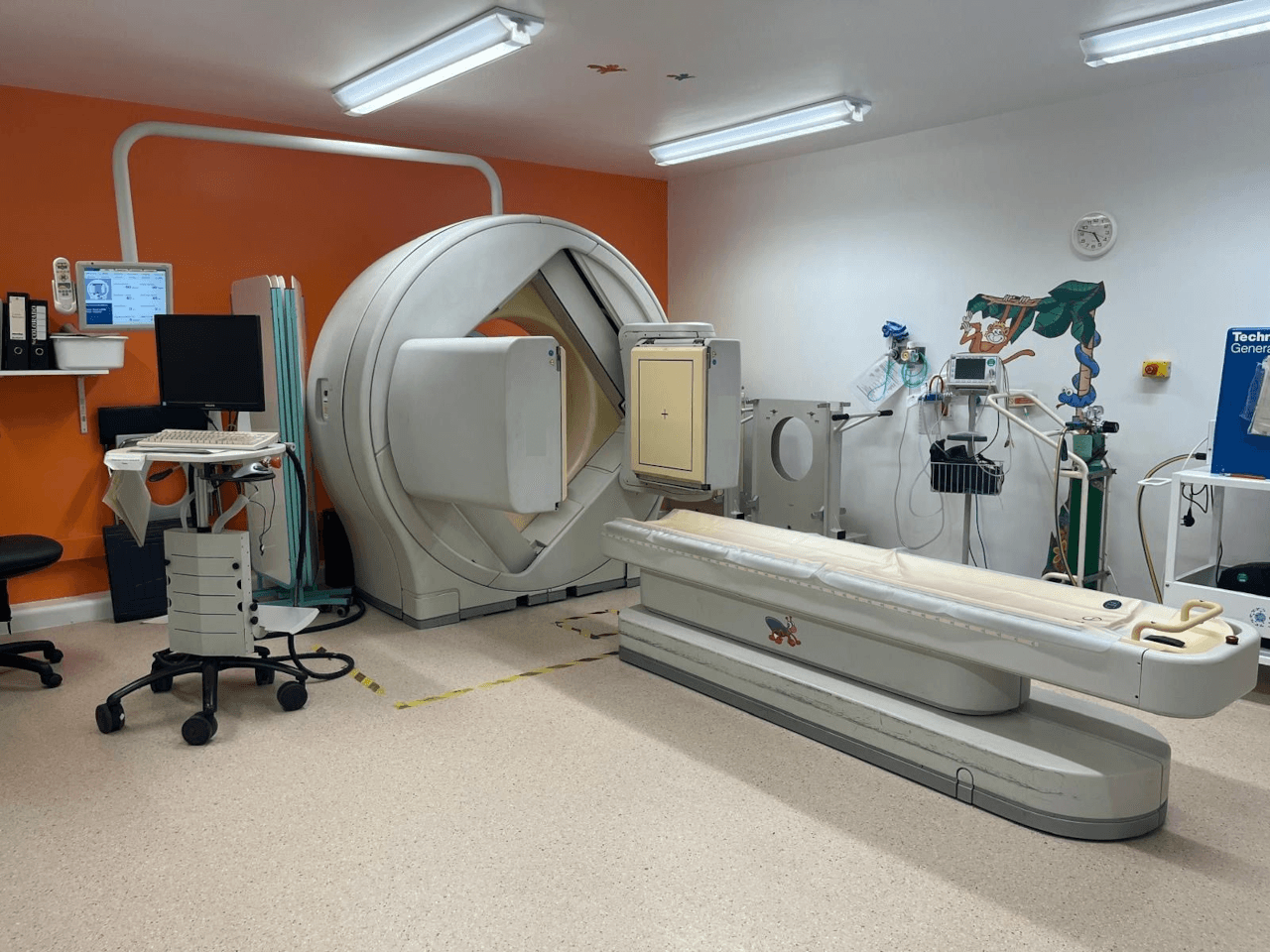
When an OEM reaches the limit of what it can do for a system, the fault remains unsolved. This puts pressure on hospitals to find a different course of action, and fast. For a nuclear medicine department in the north of England, Probo Medical’s nuclear medicine support in the UK gave them the answers they needed.
The department’s system had developed an intermittent fault that appeared without warning, sometimes once a day, sometimes half a dozen times. The team worked around it by cycling power to the gantry, but the root cause stayed hidden for months. Several OEM attempts came and went without a lasting fix, and once end of support took effect, the hospital were left unsupported, just as the case for a replacement was being built.
Rather than leave the department without options, Probo Medical stepped in and agreed to keep the system running while the hospital continued with building their case for funding.
Senior engineer Eamon Chaney took on the fault. Having relocated from Probo Medical’s US operations to lead the launch of the company’s dedicated nuclear medicine service in the UK, Chaney brings a diverse understanding of systems to departments that would otherwise be limited to a single manufacturer’s engineers. His initial suspicions fell on the detector boards, which he replaced. Calibrations were then re-run, and for a while the fault seemed resolved. Until it returned.
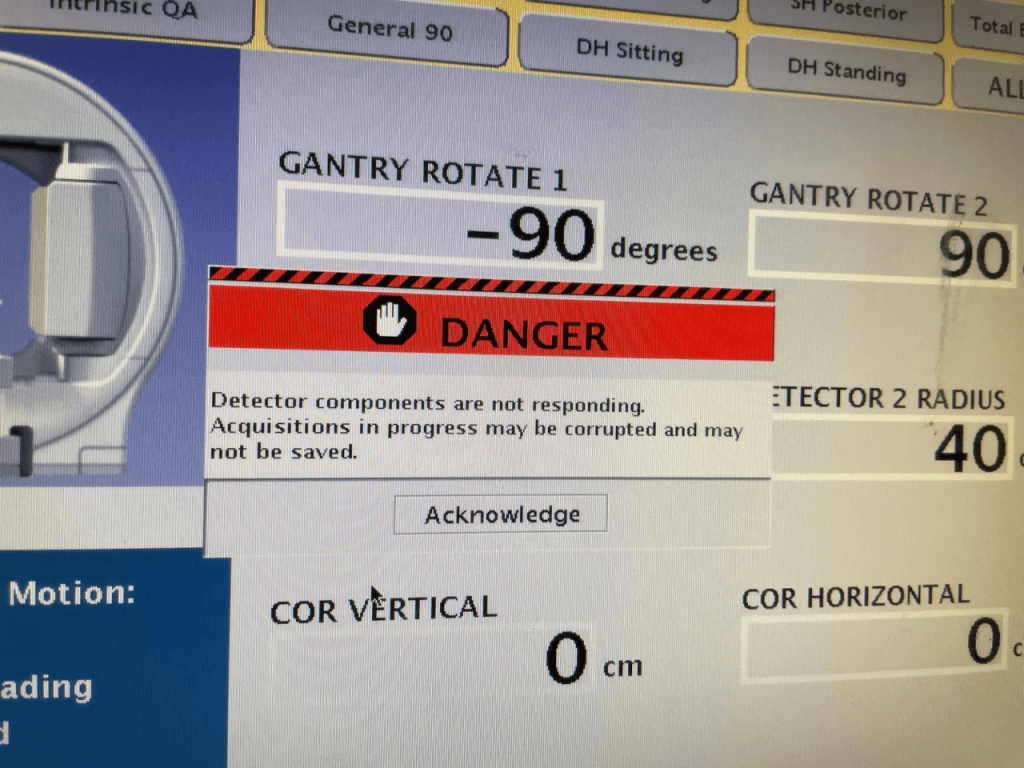
Eamon kept investigating, drawing on his two decades of OEM-trained experience. On a day with no scans booked in, he worked through every variable methodically, eventually tracing the fault to a failing network port inside the gantry router, a location the OEM’s diagnostics had never flagged. Moving the detector cable to a working port resolved it. The system has now run error-free ever since that visit.
“OEM support ending doesn’t mean the troubleshooting has to stop, it means someone has to look harder,” said Eamon Chaney, senior engineer at Probo Medical. “We’re not working from a manual of pre-approved fixes. If the answer is somewhere unusual, we’ll go and find it.”
The case reflects a service Probo Medical has built specifically for nuclear medicine in the UK, covering Siemens Healthineers, Philips and GE HealthCare systems, backed by direct access to a wide inventory of parts to keep repairs efficient.
Leon Parsons, European managing director at Probo Medical, said cases like this reflect the reasoning behind expanding into dedicated nuclear medicine support. “Biomedical engineers shouldn’t be left choosing between an OEM that’s stepped back and an expensive early replacement. We built this service so there’s a genuine third option, one with the expertise and the parts on hand to keep departments scanning for as long as possible.”
For biomedical and clinical engineering teams managing equipment nearing its OEM support window, the case is a reminder that end of support doesn’t have to force an immediate, costly replacement. Probo Medical’s independent service model exists to extend system life and departments time to plan their next move on their own terms.
If you have a system that is showing an unexplained fault or nearing end of support, get in touch with the Probo Medical team: probomedical.co.uk | 0333 004 7657 | sales@probomedical.co.uk.
This news story has been sponsored by the companies concerned and does not represent the views and opinions of RAD Magazine.