Can you measure imaging competency?
As imaging organisations face staffing shortages and growing imaging demand, ScanLab highlights why performance variation matters, and why measurement must lead to improvement.
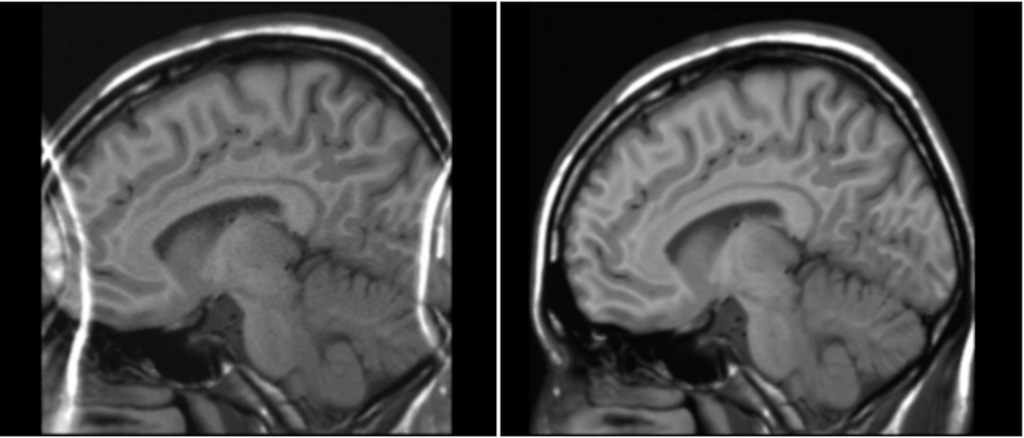
Two technologists can perform the same MRI or CT examination, using the same protocol, and still produce different performance results.
For imaging leaders, that difference matters.
As organisations manage growing exam volumes, staffing shortages and teams with varying levels of experience, performance variation can create operational challenges that are difficult to see and even harder to measure.
When performance varies, operations feel it
A difference in how technologists perform an examination isn’t simply a training issue. It can affect the way an imaging department operates.
Variation in scanning performance can contribute to:
- Repeat imaging and callbacks — when an exam does not meet the expected standard, additional imaging may be required, consuming scanner time and staff resources.
- Longer exam times — differences in scanning decisions and execution can affect how efficiently an examination is completed.
- Greater reliance on experienced staff — technologists who are still developing competency may require additional supervision, coaching or assistance from more experienced colleagues.
- Slower time to productivity — when performance gaps aren’t identified early, onboarding and development can take longer.
- Reduced capacity — time spent on repeats, rework, supervision and inefficient workflows can reduce the capacity available for new exams.
- Inconsistent performance across locations — for organisations operating multiple departments or imaging centres, variation can make it more difficult to establish a consistent standard of performance.
The challenge for managers is that these differences aren’t always visible through traditional training records or knowledge assessments.
The performance blind spot
Most organisations have ways to document whether a technologist has completed training, earned credentials or passed a knowledge assessment. Those measures are important, but they don’t necessarily answer a different question: Can this technologist perform the examination to the expected standard?
Without objective performance data, managers may have to rely on observation to determine where additional development is needed.
From measurement to improvement
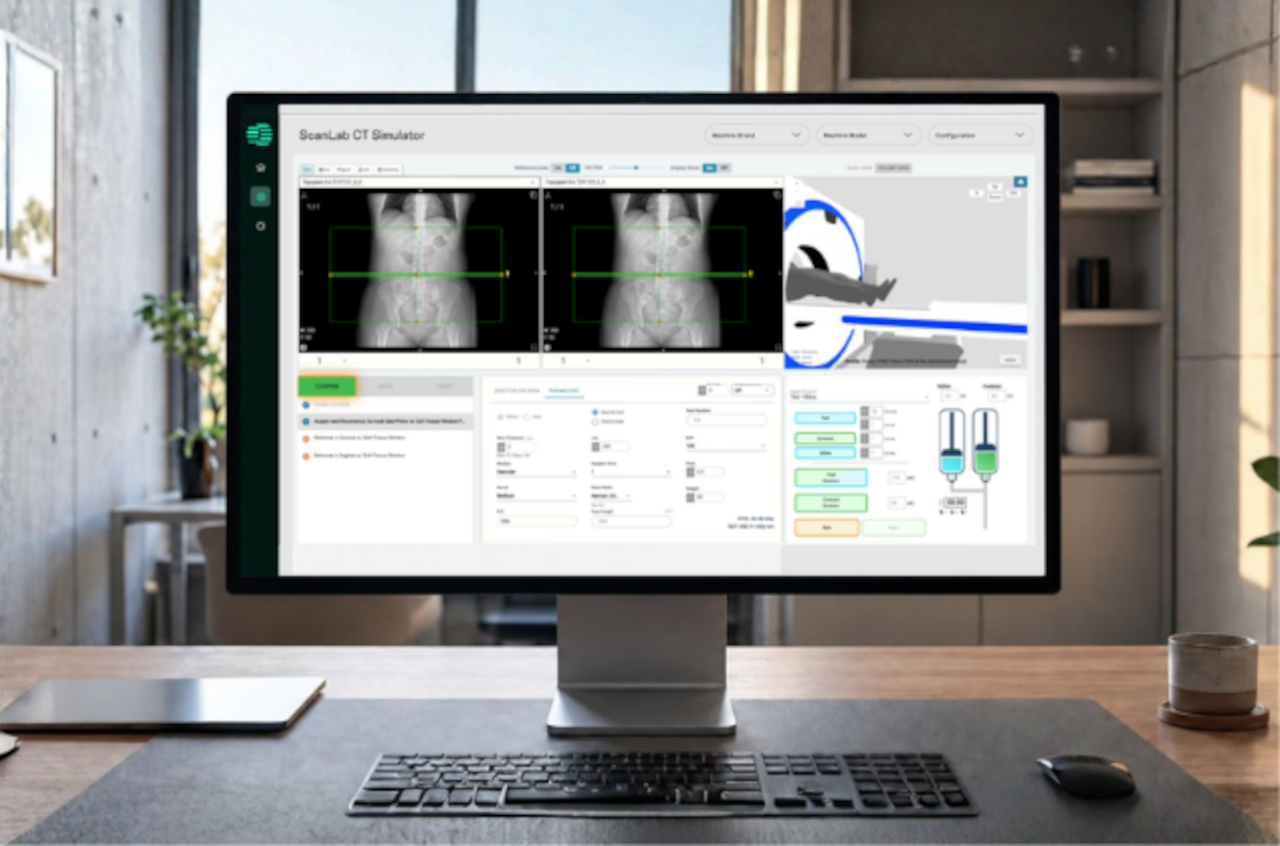
ScanLab uses realistic MRI and CT simulation to capture quantitative performance data as technologists perform imaging examinations.
The value of that measurement is what happens next. Performance data can be used to identify individual gaps, inform personalised education and direct technologists toward realistic simulation practice focused on the areas they need to strengthen.
After practice and targeted education, technologists can be reassessed to measure progress. In other words, ScanLab is not simply measuring the gap; it is designed to help close it.
“Two technologists can have the same credentials, complete the same training and follow the same protocol and still perform differently,” said Michelle Waite, CEO at ScanLab. “For imaging leaders, the important question is what those differences mean operationally and whether they have an objective way to identify and address them. You can’t effectively improve performance if you can’t see where the gaps are and you need the right education and practice to close them.”
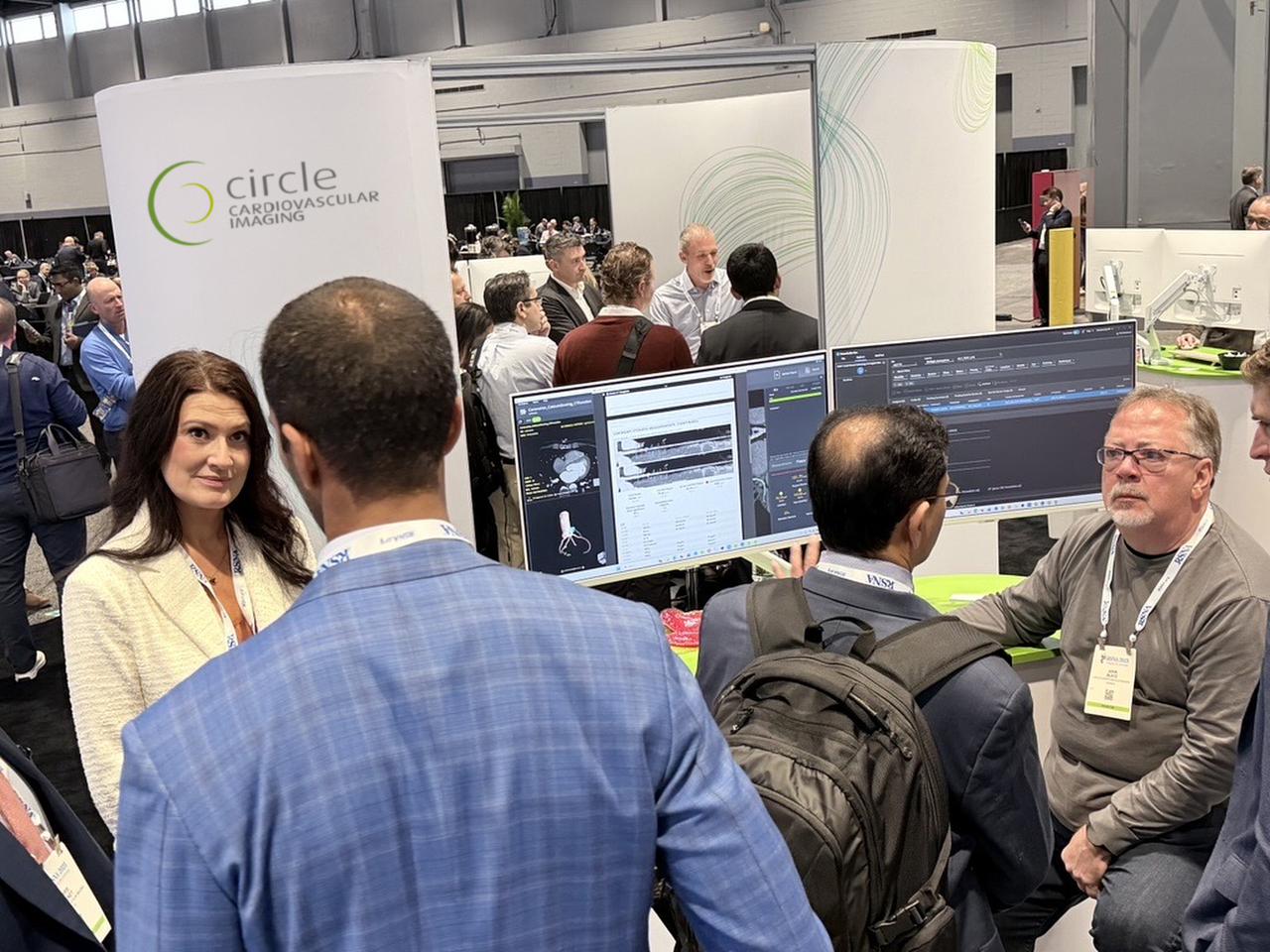
Experience the competition at RSNA 2026
ScanLab is bringing a one-of-a-kind imaging competition to RSNA 2026, giving attendees the opportunity to put their MRI and CT scanning skills to the test. Using ScanLab’s simulation technology, participants will complete a simulated exam, earn an objective performance score and compete for daily prizes.
Each participant will also receive personalised recommendations for targeted scanning practice and education, demonstrating how ScanLab helps healthcare organsations and universities measure competency, identify skill gaps and develop technologists to reach productivity faster and perform more consistently.
CAN YOU MEASURE IMAGING COMPETENCY? SCANLAB CAN.
Learn more: learn.scanlabmr.com/rsna-2026. Visit ScanLabMR at RSNA 2026 on booth 1843 – South Hall.
This news story has been sponsored by the companies concerned and does not represent the views or opinions of RAD Magazine. Visit our dedicated RSNA conference page to find out more.