Hexarad helps reduce friction in radiology as winter pressures mount for emergency departments

Emergency departments across the UK that have prepared for severe winter pressures will find delays in radiology remain a major barrier to safe and timely patient flow, according to teleradiology company Hexarad.
“As trusts prepare for the months ahead, technology that accelerates imaging and reduces operational friction is vital for maintaining patient safety,” the company says, explaining that it is addressing this challenge with tools proven to cut turnaround times, reduce workload and support faster decision making in the emergency department.
At the centre of this is Hexarad Edge, the company’s advanced integration engine that accelerates image transfers. Trauma CT scans that typically take 30 to 40 minutes to transfer now reach Hexarad radiologists in just six minutes, enabling quicker reporting when clinicians need it most.
Alongside this, the Hexarad Online Hub removes common bottlenecks in the emergency radiology pathway. By replacing phone-based vetting with rapid online vetting, it reduces the standard 30 minute vetting process to three minutes. Smart request forms, live dashboards and instant SMS alerts keep teams informed at every step, showing exactly where a patient is in the reporting pathway and ensuring urgent findings are acted on immediately.
“These innovations translate into significant operational gains,” the company explains. “At North West Anglia NHS Foundation Trust, Hexarad’s workflow saved 14 hours of emergency department time every night and delivered £400,000 in annual cost savings through reduced locum spend, recognised with an HSJ Partnership Award (Silver).
“With market-leading reporting speeds, including an average acute CT turnaround time of 13.2 minutes, Hexarad is giving trusts a crucial advantage as winter pressures mount, supporting faster diagnostics, smoother flow, and safer care when it matters most,” it says.
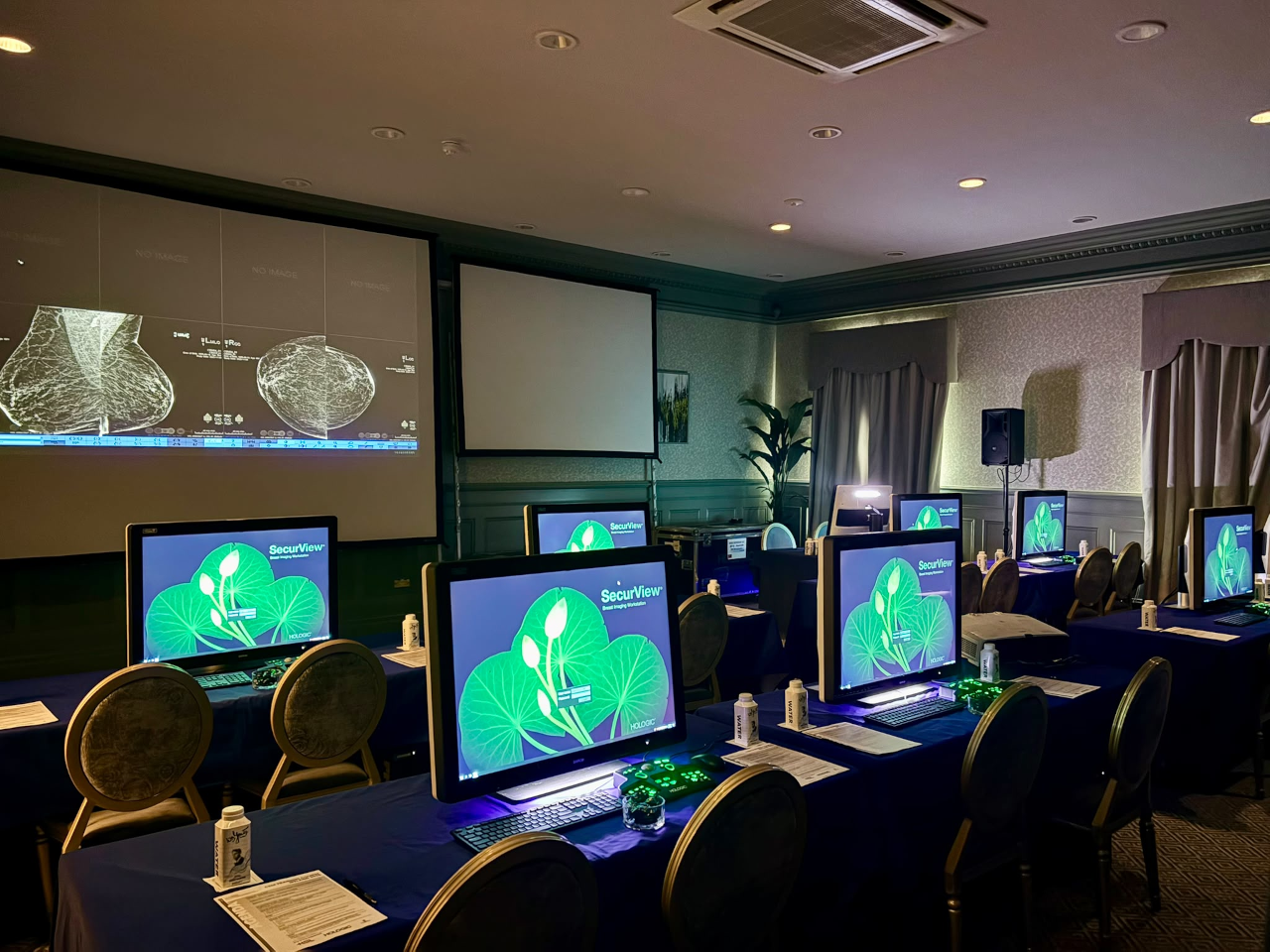
Picture: image transfers can be cut from 30 to six minutes.
Read this report on page 17 of the January 2026 issue of RAD Magazine.