New national ultrasound guidance aims to transform the diagnosis of endometriosis
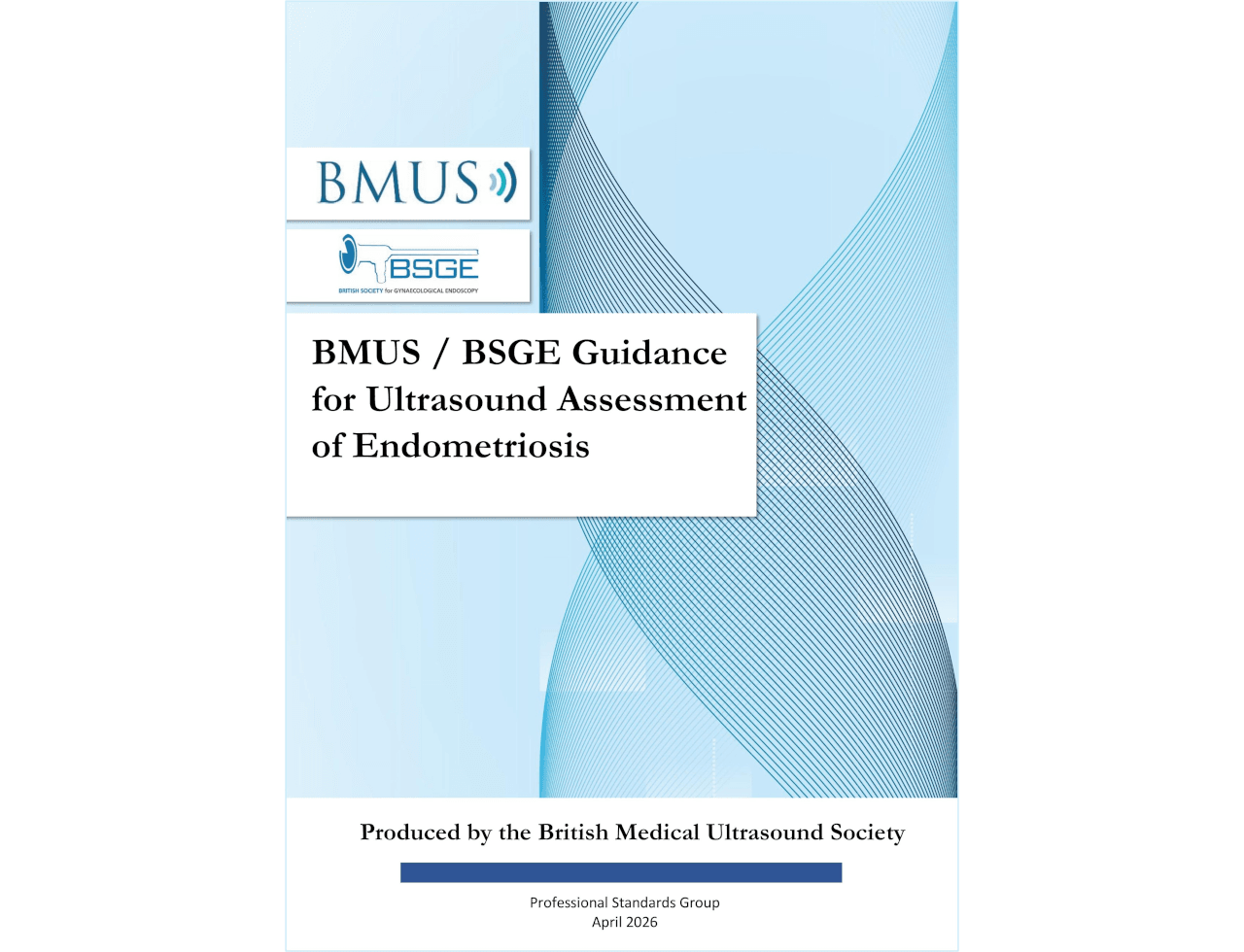
A new clinical guidance document on the use of ultrasound for the diagnosis of endometriosis has been launched by the British Medical Ultrasound Society (BMUS), marking a major step forward in improving the diagnosis and care of people living with this complex condition.
The introduction of this guidance is both timely and necessary. In its 2020 inquiry report, the All-Party Parliamentary Group (APPG) on Endometriosis set out a series of recommendations to improve pathways, awareness and diagnostic standards for endometriosis. Many of those recommendations have directly informed the development of this new document.
The guidance has been produced with the British Society of Gynaecological Endoscopy (BSGE), reflecting a shared commitment to improving multidisciplinary working. The joint goal of BMUS and BSGE is clear: to support and standardise the use of ultrasound in the diagnosis of endometriosis, and, in doing so, to improve the lives of the many people affected by this disease.
Endometriosis affects millions of people worldwide and remains associated with an unacceptably long delay to diagnosis. In the UK, it is estimated that individuals wait an average of eight years for a confirmed diagnosis, often experiencing repeated consultations, misdiagnosis and prolonged pain before receiving appropriate care.
This new guidance has been developed to address that challenge.
By providing a tiered structure of expertise, the document recognises the varying levels of experience, training and clinical exposure within the ultrasound workforce. It sets out clearly what can reasonably be expected at different levels of practice, while also supporting progression and the development of advanced skills in endometriosis scanning.
Alongside this, the guidance offers a clear and practical summary of the relevant pelvic anatomy for assessment in suspected endometriosis. This structured anatomical approach is designed to support consistent, high-quality scanning, improve detection of disease features and enhance communication between sonographers, radiologists, gynaecologists and multidisciplinary teams.
The guidance emphasises the role of ultrasound not only in identifying deep and complex disease, but also in contributing meaningfully to early assessment, triage and referral. By improving early imaging, the guidance aims to reduce variation in practice and improve patient experiences from the first point of investigation.
This work has been facilitated by close collaboration between professional societies and clinical experts, reflecting a growing recognition that improving endometriosis diagnosis requires coordinated action across specialties.
The challenge of delayed diagnosis is not unique to the UK. It is a global issue affecting health systems and patients worldwide. By setting out a structured, evidence-based and practical approach to endometriosis ultrasound, this guidance provides an opportunity for the international ultrasound community to align practice and contribute to meaningful improvement in care.
Through this guidance, BMUS and BSGE call on the ultrasound community to embrace a shared responsibility in improving endometriosis detection and assessment. By working together, developing skills across all levels of practice, and applying a consistent anatomical and reporting approach, there is a real opportunity to reduce diagnostic delays and improve outcomes for patients.
Ultimately, this guidance represents an important step towards a more responsive, equitable and effective diagnostic pathway for endometriosis, and towards better lives for those affected by the condition.
This news story has been sponsored by the companies concerned and does not represent the views or opinions of RAD Magazine.