Are we using oesophageal stents to their fullest potential?
In 2004, survival after oesophageal stent placement in the UK was around three months. Advances in oncological and palliative therapies have since extended survival two-to-three-fold, with five-year survival for oesophageal cancer in England approaching 20% in 2023. As a result, stents remain in situ for longer, and failure occurs more often.
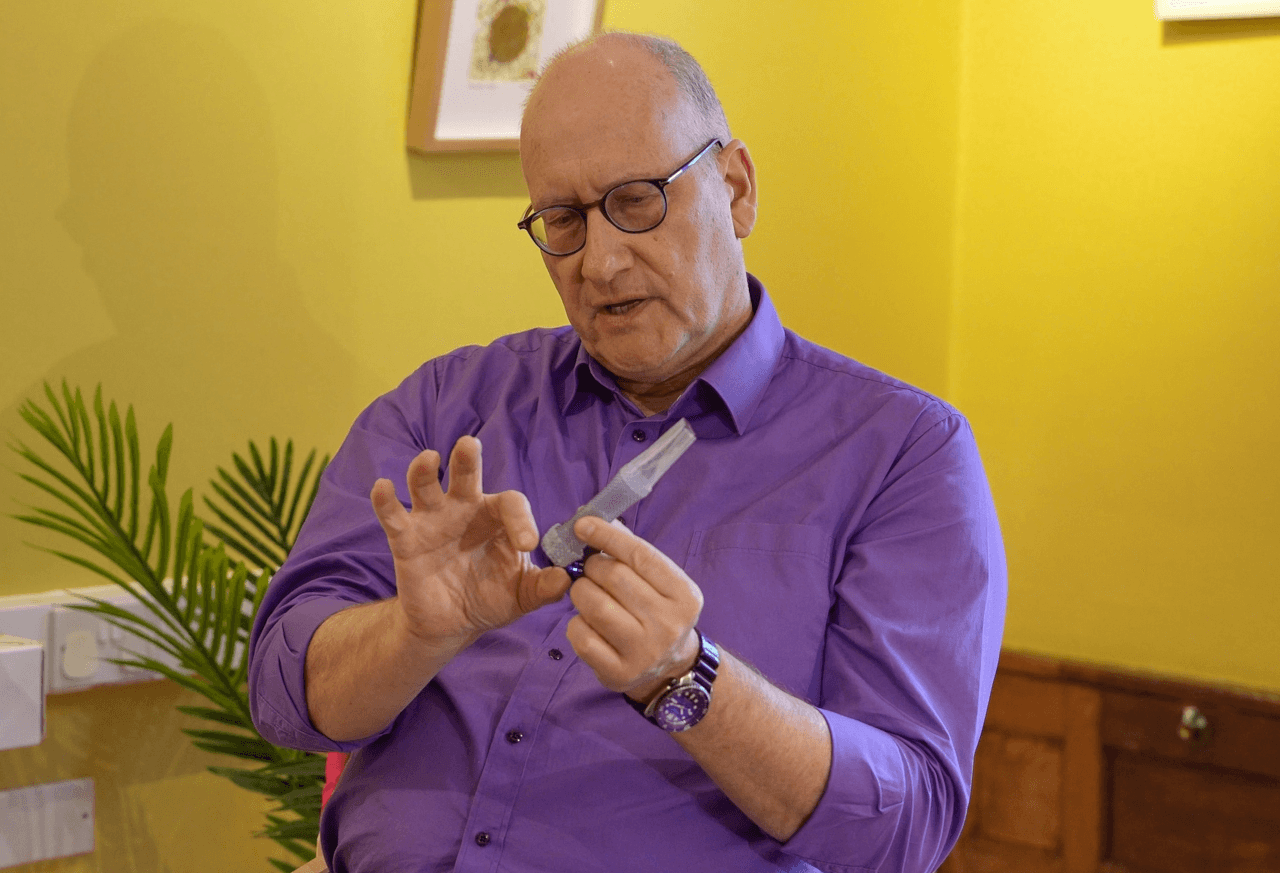
In this changing landscape, how often is the patient’s prognosis taken into consideration when placing an oesophageal stent? Different stents are designed to work in a variety of ways, and for that reason stents should be chosen on a case-by-case basis according to Professor Hans-Ulrich Laasch.
Professor Laasch is well known when it comes to GI intervention; in 2005 he was appointed head of interventional radiology at The Christie, one of the largest cancer centres in Europe. He served as clinical director of radiology from 2006 – 2009, and still works at The Christie where he specialises in GI procedures (oesophageal, stomach, small bowel, large bowel, biliary). Now, revisions are approaching 50% of his oesophageal stent practice, with almost 30% of patients requiring three or more stents in their lifetime.
It’s Interventional recently sat down with Professor Laasch to dive into some of the hottest topics in oesophageal stenting from migration to conformability. This wasn’t a case of finding out which is the ‘best’ stent – the key takeaway is that it is imperative for clinicians to understand the differences between stents, and therefore what they do, in order to choose the right device for their patients. There are cases when a conformable stent might be preferable due to particularly tortuous anatomy, and conversely for bulky tumours the radial force of the device might be the top priority. If you’re not sure how the different characteristics of a stent affect its performance watch the interview where Professor Laasch gives a full breakdown.
Professor Laasch is on a mission to better understand why many stents fail, and has been conducting research into an array of issues affecting SEMS – the latest focus being corrosion rates of nitinol stents. A fractured stent presents significant challenges that are also time-sensitive. Ultimately this is a materials issue, as nitinol exposed to gastric acid is more susceptible to a process called nitinol embrittlement, where the material loses its elasticity and shape memory – however, it seems that some stents are more prone to this than others.
Oesophageal stents are no longer short-term palliative devices in most patients. They are longer-term implants in a hostile chemical environment. While radial force and migration rates often remain at the forefront of the conversation, corrosion susceptibility, expected dwell time and anticipated revisions should all be taken into account. In reality all stents are prone to degradation, but some stents degrade much faster than others. Choosing stents carefully and ensuring ongoing surveillance as a part of your service will have massive benefits for both you and your patients by reducing the number of complications later down the line.
This news story has been sponsored by the companies concerned and does not represent the views or opinions of RAD Magazine.