AI-assisted CT platform cuts scan time by up to 53 per cent, study finds
New research published in the Journal of Medical Imaging and Radiation Sciences suggests that AI could help improve efficiency at the point of imaging.
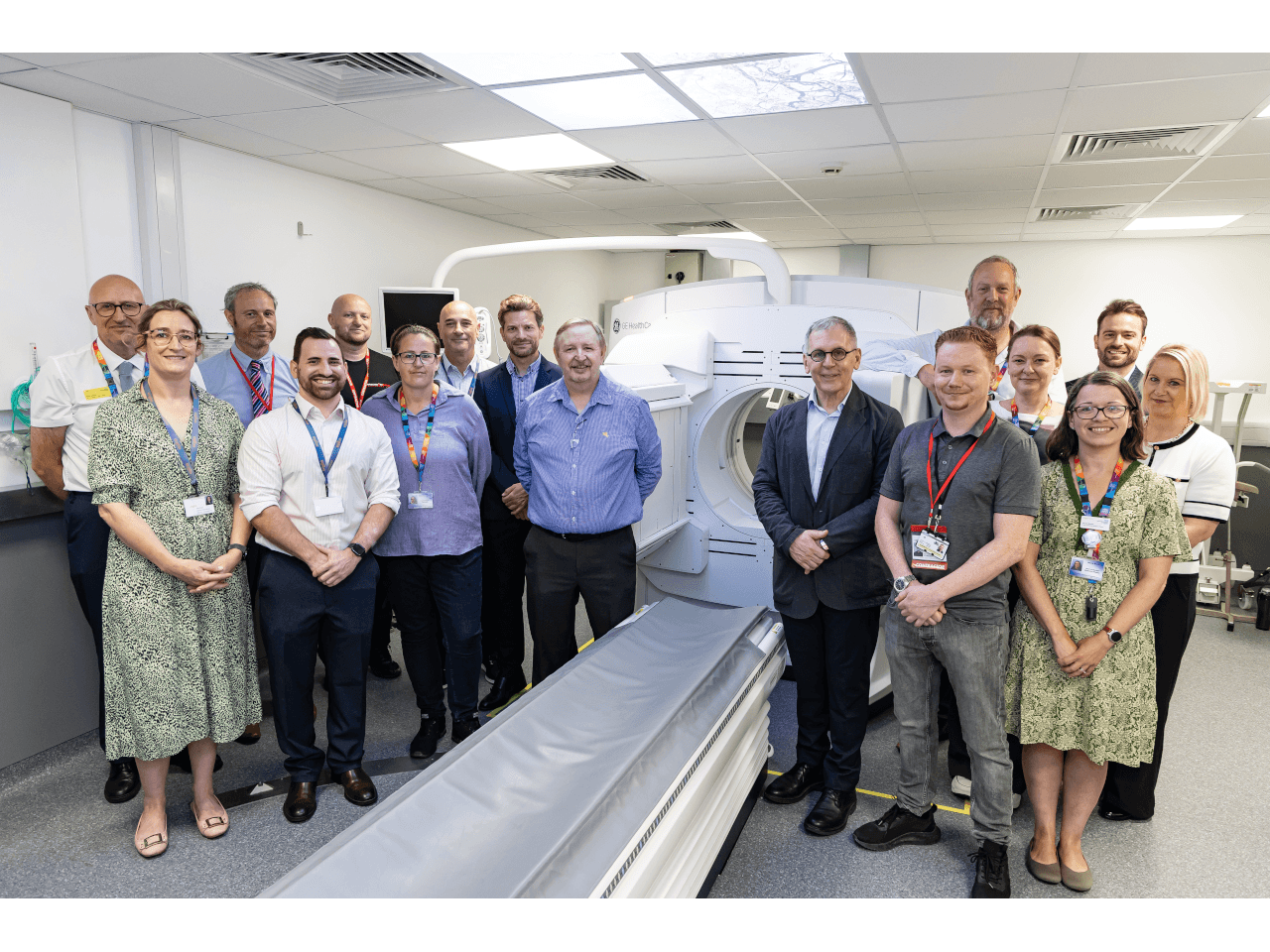
As part of a study evaluating the impact of AI on CT scan time and workflow efficiency, a joint scientific collaboration between Canon and the Royal Bournemouth Hospital compared two CT systems.
This included the AI-assisted Instinx platform on the Aquilion One Insight Edition and a non-AI-assisted platform on the Aquilion One Genesis Edition. The results showed that the AI-assisted system delivered scan time reductions of up to 53 per cent and a 45 per cent decrease in user interactions.
The study evaluated four routine CT protocols, with 12 certified diagnostic radiographers performing scans on both systems using a standardised set-up. Protocols included brain, chest, abdomen and pelvis imaging, and in each case, delivered faster acquisition times and required fewer manual inputs using the AI-assisted platform.
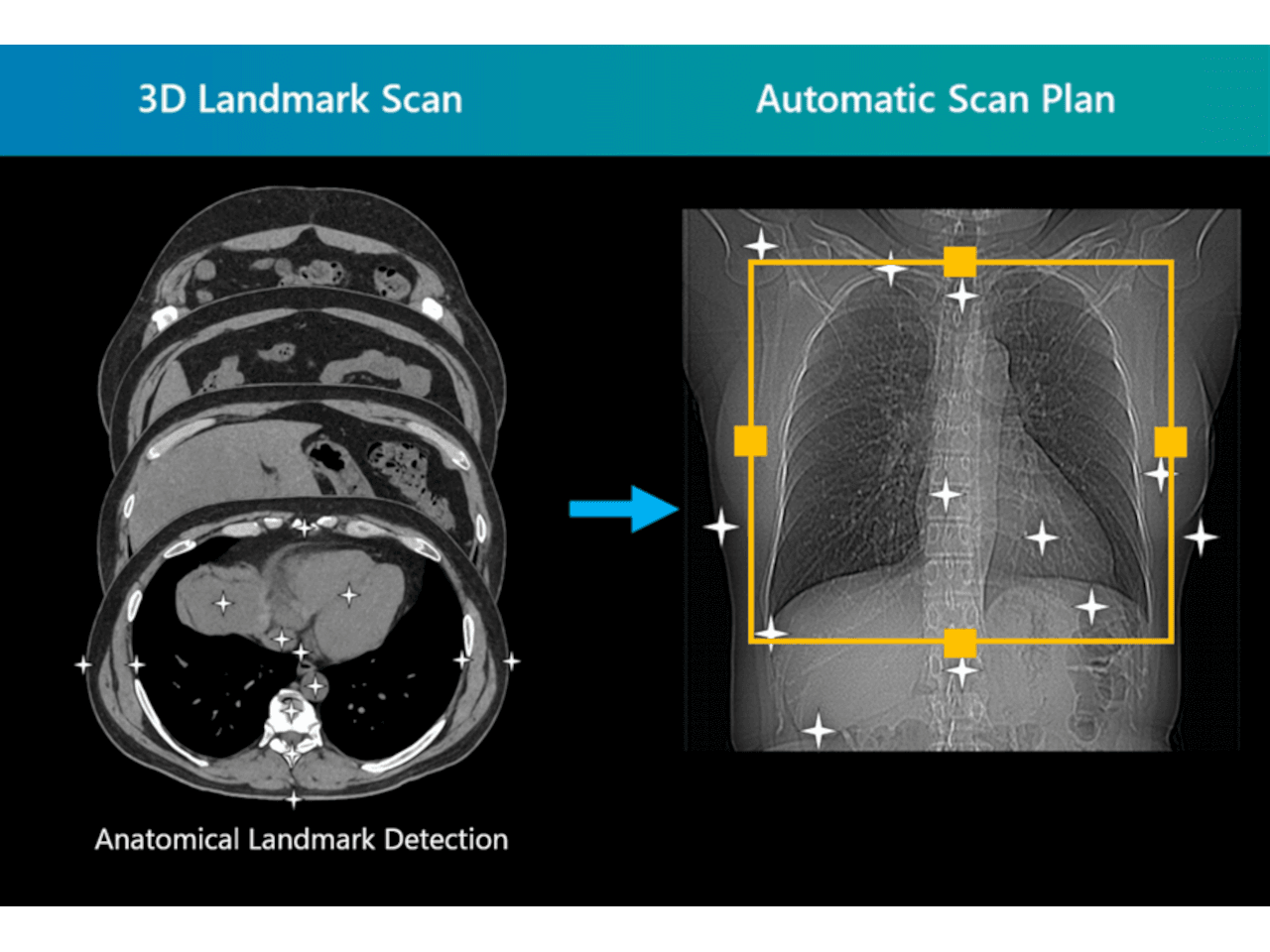
Technologies such as the 3D Landmark Scan and Anatomical Landmark Detection support automated scan planning and positioning. This helps define the correct scan range and field of view, reducing the need for manual adjustments and streamlining the process.
Picture: The data acquired from the ultra low dose helical localiser, known as the 3D Landmark Scan, enables Anatomical Landmark Detection technology to accurately identify anatomical structures which allow fully automated scan planning for routine CT examinations.
Read this report on page 24 of the July 2026 issue of RAD Magazine.