Tumour boards can ensure specialist imaging input with Rosenfield’s software
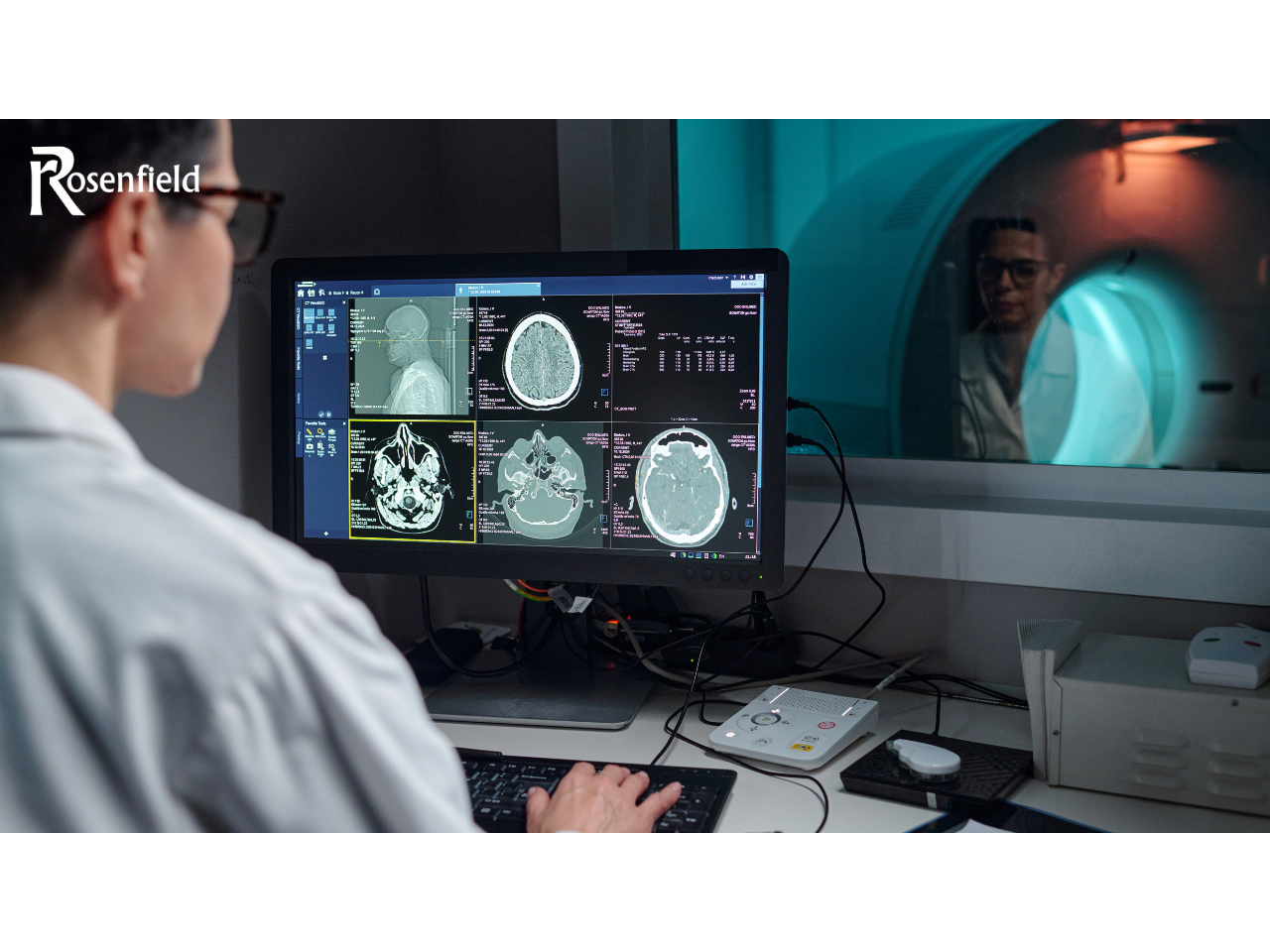
PETCT and SPECT/CT results shape treatment decisions in most complex cancer cases. Yet, says Rosen field Health, nuclear medicine specialists are among the most geographically concentrated in the workforce. That is despite regional cancer alliances needing their input at every tumour board.
The RCR’s 2025 census puts the UK clinical radiology shortfall at 32 per cent, forecast to reach 40 per cent by 2030, with nuclear medicine among the specialities concentrated in fewer, larger centres. Rosen eld says trusts spent a record £362 million in 2025 on outsourcing, overtime and locums. Asking a nuclear medicine consultant to travel between sites for every regional MDT is not realistic in that climate.
Theragnostic response assessment and metabolic staging are rarely straightforward reads to hand off in a two-line summary. When PETCT or SPECT/CT data its in a separate system from the rest of a patient’s imaging and clinical history, the specialist best placed to interpret it is often the one least able to join the discussion.
“Vendor-neutral integration through Rosen field Health’s MDT radiology software that pulls PETCT, SPECT/CT and cross-sectional imaging into one view, regardless of source PACS, is a good starting point,” the company says. “Add a single patient timeline showing prior imaging and previous MDT discussions side by side, along with real-time remote collaboration so specialists can contribute from any site rather than just the one hosting the meeting. Automated scheduling and noti fications help too, stopping nuclear medicine input from becoming an afterthought.”
Rosen field Health’s iCode MDT platform is built around this need, giving nuclear medicine specialists a way to review theragnostic and metabolic imaging alongside the rest of a patient’s history, and to join tumour board discussions without having to travel to the site hosting the meeting. “When nuclear medicine input is built into the meeting rather than bolted on, tumour boards make faster, better-informed decisions, and patients move through their cancer pathway without unnecessary delay,” Rosenfield concludes.
Read this report on page 10 of the September 2026 issue of RAD Magazine.