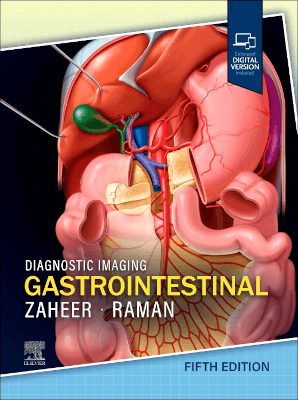
Diagnostic Imaging: Gastrointestinal, fifth edition
Description
Covering the entire spectrum of this fast-changing field, the fifth edition of Diagnostic Imaging: Gastrointestinal is an invaluable resource for GI radiologists, general radiologists, and trainees―anyone who requires an easily accessible, highly visual reference on today’s GI imaging
Additional information
|
Author(s):
Zaheer and Raman | Zaheer and Raman |
|
ISBN:
978-0-443-37878-2 | 978-0-443-37878-2 |
|
Publisher:
Elsevier | Elsevier |
|
Reviewed by:
Dr N S Chew, consultant radiologist, Bradford Teaching Hospitals NHS Foundation Trust | Dr N S Chew, consultant radiologist, Bradford Teaching Hospitals NHS Foundation Trust |
Publisher price: £288.99
The Diagnostic Imaging series by Elsevier is probably the current gold standard in regards to radiology imaging reference texts, replacing traditional radiology imaging textbooks, providing high yield and succinct compendiums of information, accompanied by exquisitely well illustrated samples of radiology imaging and pathology.
The gastrointestinal edition of Diagnostic Imaging by Zaheer and Raman is a fine example in this series of books. Bound in hardback, comprising 1,121 pages and with more than 3,300 high quality images, which include plain radiographs, CT, MRI, ultrasound, PETCT, corresponding pathology slides and graphical depictions of pathology, this radiology text is divided into 11 sections. These include abdominal manifestations of systemic conditions, peritoneum, mesentery and abdominal wall, oesophagus, stomach, duodenum, small intestine, colon, spleen, liver, biliary system and pancreas. Compared to prior editions, the fifth edition offers updates on rectal MRI, pelvic floor MRI, MRI elastography, new chapters on management of incidental lesions (including the spleen, gallbladder, biliary system and pancreas). There are also more than 2,000 additional images in an accompanying complementary ebook. The ebook also boasts the abilities to search for keywords, create notes and highlight important text.
As with other parts of the series offered by Elsevier’s Diagnostic Imaging, the individual chapters are sub-divided into: key facts including terminology, imaging findings based on modality and imaging differential diagnoses (and how to differentiate between mimickers of disease); pathology of the condition; and clinical issues the radiologist needs to know (for example, pitfalls in imaging of disease to prevent under or over-calls, clinical presentation, demographics, natural history and treatment options).
A key selling point of this reference text is the large amount of carefully curated graphical and radiological images. These enable the reader to grasp difficult concepts through an atlas of representative radiology and pathology.
The target audience of this book is radiology registrars/residents who are interested in gastrointestinal (GI) imaging, radiology GI fellows, GI and general radiologists, gastroenterologists and general surgeons and sonographers.
Overall, this comprehensive GI radiology reference text is highly recommended.
To purchase this title at our discounted rate email: katherine@radmagazine.com.