Devon and Cornwall hospitals initiate digital pathology

Cancer patients in Devon and Cornwall will benefit from the potential for faster diagnosis and better access to specialist opinions as a digital pathology system is rolled out across five NHS sites. The pathology module of Sectra’s enterprise imaging application is now in use at University Hospitals Plymouth NHS Trust and Royal Devon University Healthcare NHS Foundation Trust (Exeter), with more laboratories to follow at Royal Cornwall Hospitals NHS Trust, Royal Devon University Healthcare NHS Foundation Trust (North Devon) and Torbay and South Devon NHS Foundation Trust. These five organisations form the Peninsula Pathology Network, which is seeking to progressively replace the requirement for pathologists to work with glass slides by providing access to high resolution digital images.
Peninsula Pathology Network digital pathology lead Steve Blunden said: “We owe it to people who get cancer to enhance how we deliver our services and allow busy pathologists to collaborate to provide timely, efficient and accurate diagnoses. This is what digital pathology is all about. For many cancer types, there is often a golden window from tissue diagnosis to starting surgery or chemotherapy to ensure efficacy of the treatment regimens.

“Any patient in Devon and Cornwall should expect their biopsy to be reported by the most appropriate pathologist wherever they are in the region, and to have their report delivered back into their host organisation system so they can be told if they have cancer and start any necessary treatment in a timely way.”
Royal Cornwall Hospitals NHS Trust consultant pathologist and network clinical digital lead Dr Tim Bracey added: “Mature technology will help to change how we collaborate across the region, and facilitate home working, which will help to recruit and retain scarce professionals in the area.
“The potential for AI to reduce time-consuming, laborious work will also give pathologists more time to do the interactive part of the speciality, to provide prognostic and predictive information to patients ourselves, helping to convey the complexity of information. It also opens new possibilities around accurate grading of cancers, to predict morphological sub-types and appropriate drug therapies, and to triage material to be tested in a particular way, rather than testing a tumour for every mutation.”

Sectra UK and Ireland MD Jane Rendall said: “Devon and Cornwall is a strong example of how a region can continue to break down geographical barriers through digital pathology for the benefit of patients.”
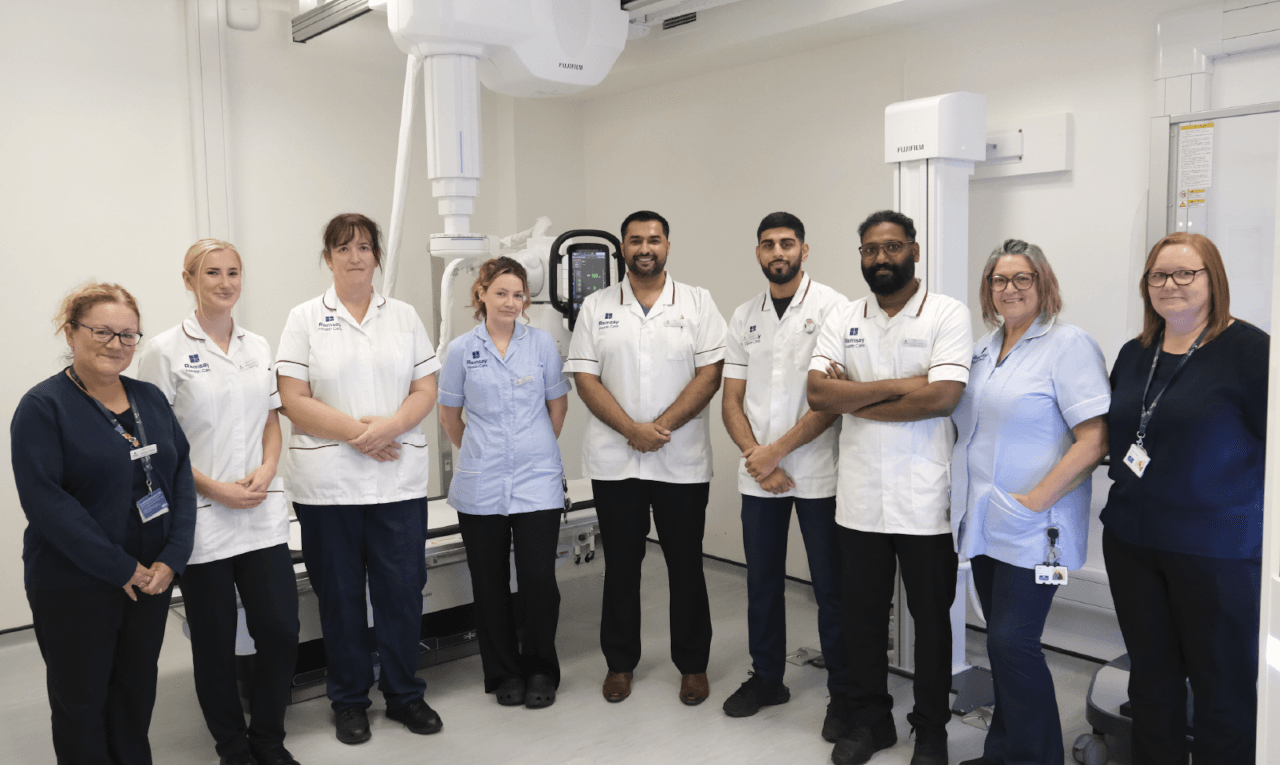
Lead picture: members of the network and University Hospitals Plymouth NHS Trust teams.
Read this report on page 19 of the November 2025 issue of RAD Magazine.