Managed equipment services from Ergéa support every stage of the equipment life cycle
As healthcare systems become more complex and inter-connected, managed equipment services (MES) provide a framework for delivering scalable, future-ready environments.
Healthcare facilities are no longer defined by infrastructure alone, says healthcare company Ergéa. Instead, their performance depends on the integration and life cycle management of technologies. The ability to plan, deploy, monitor and optimise equipment end-to-end is essential to maintain resilience, efficiency and high quality patient care.
Ergéa says its MES solution provides a comprehensive model that supports every stage of the equipment life cycle, from vendor-neutral clinical planning and capital structuring to procurement, installation, commissioning and maintenance. When combined with modern methods of construction, an MES enables a systems-led approach that accelerates the delivery of purpose-built healthcare facilities.
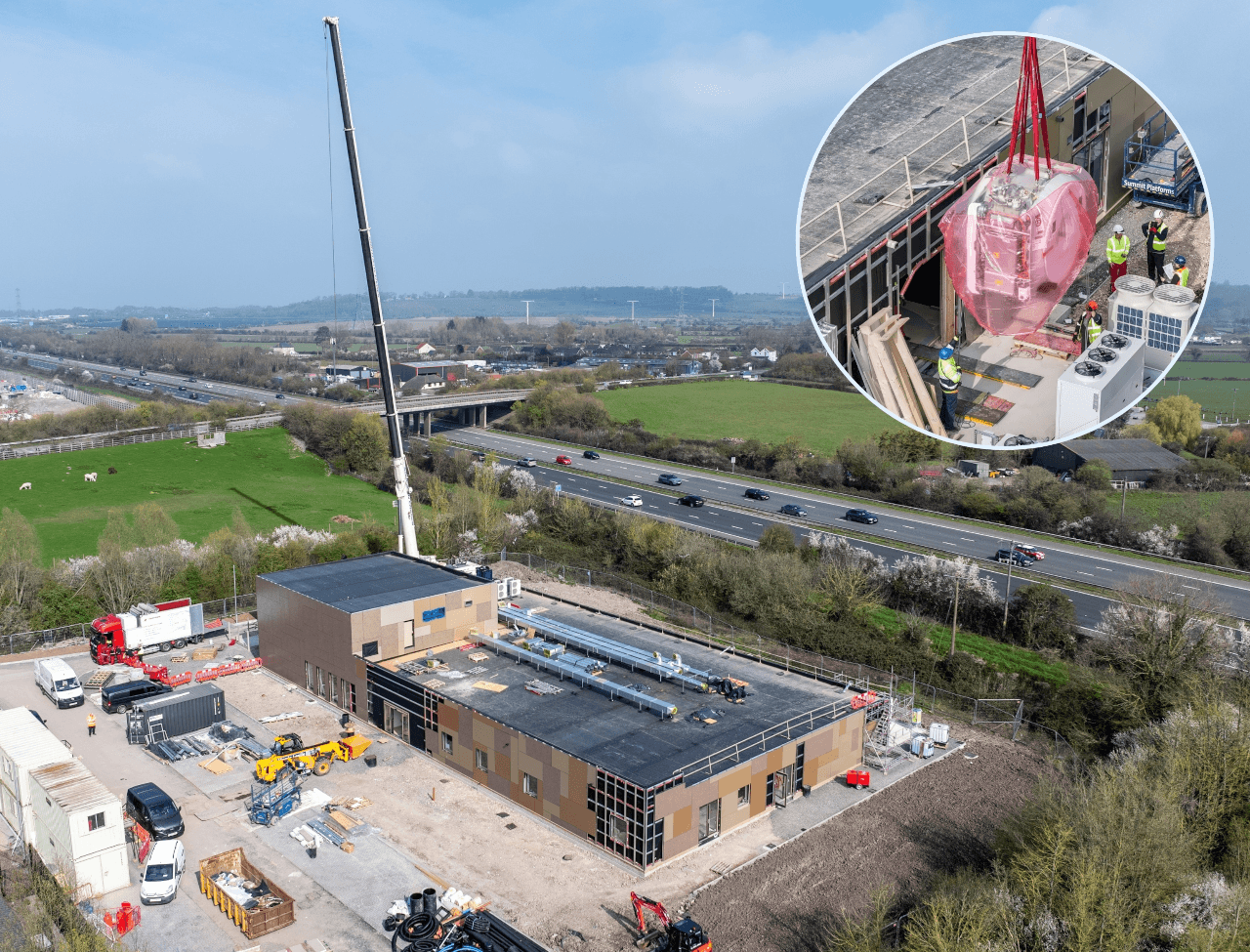
“This is demonstrated through our latest work at the Bridgwater Community Diagnostic Centre, where integrated planning enabled the rapid deployment of advanced diagnostic services within a flexible, patient-focused environment,” the company says.
“Vendor neutrality remains a key strength to this model, allowing providers to select best-in-class technologies across multiple modalities without single-supplier dependency. This is particularly important in complex environments, where interoperability, seamless integration and data continuity are essential to supporting integrated care pathways.”
This approach strengthens the alignment between clinical assets and the wider estate, enabling flexible deployment and phased capacity expansion, Ergéa adds.
Picture: Managed equipment services help deliver purpose-built healthcare facilities like Bridgwater CDC.
Read this report on page 21 of the May 2026 issue of RAD Magazine.