Celebrating International Women’s Day – Dr Geraldine Dean

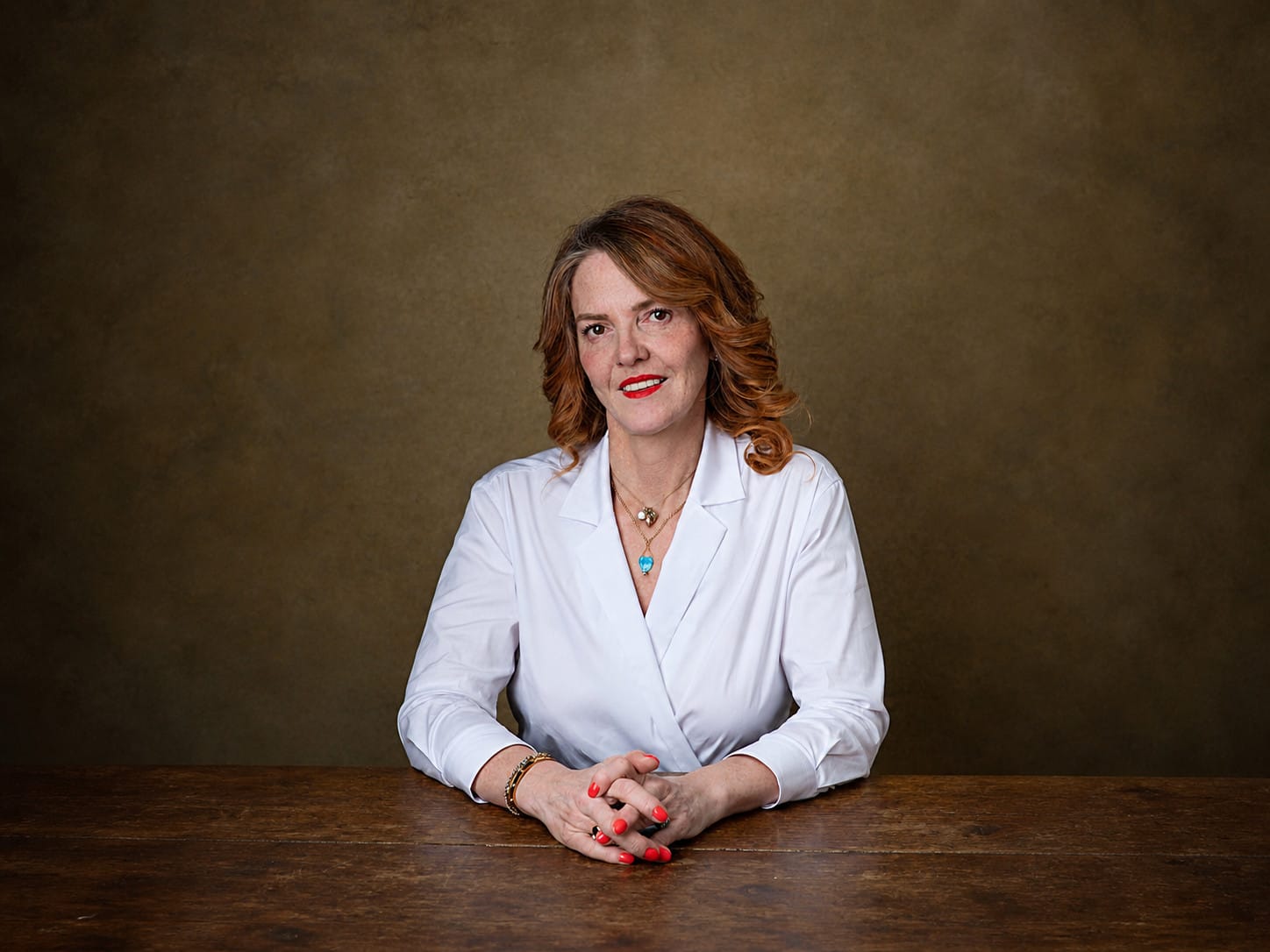
I am a doctor, first qualified in 2007. I am now a consultant radiologist, an AI clinical lead and an AI advisor to The Royal College of Radiologists. For International Women’s Day, however, I want to speak less about titles and more about the journey behind them. I wanted to be a doctor long before I knew what AI or radiology were. As a child, I spent a lot of time in hospital due to a medical condition and those early experiences stayed with me. I was fascinated by the people who looked after me, and by how being seen and cared for could change how you felt, even in difficult moments. That was likely when the idea of medicine first took hold.
I was born and raised in Malta and later moved to the UK for what initially felt like an adventure, but gradually became home. During medical school I felt a strong pull beyond my own borders. I organised a semester at Yale myself – not because I was invited, but because I asked, emailed, chased and arranged it. Later, as a newly-qualified doctor, I did the same again. I wanted to understand how medicine was practised elsewhere, to learn from different systems and to avoid becoming too comfortable too early. I never wanted to limit myself to geographical or institutional boundaries when learning expands so much once we step outside what is familiar.
After qualifying, I pursued a career in surgery and joined the London School of Surgery. At one point, I organised my own placement in a trauma unit in Johannesburg, South Africa, wanting to see what surgery looked like where trauma was a daily reality. I took time off, arranged the placement and went. Being proactive mattered to me; I never expect oppor-tunities to simply appear. That period shaped me deeply, but it also taught me something important. While I loved the challenge of surgery, the life and type of doctor I wanted to be did not fully align with that path. Changing direction felt uncomfortably close to quitting. It took time to accept that it was not failure, but honesty. When I moved into radiology, it felt like I had finally found the right place.
Radiology sits at the centre of almost every patient pathway. When it works well, everything flows; when it doesn’t, delays and risk spread quickly. I became increasingly interested not just in images, but in systems: workflow, safety, quality and how technology shapes clinical decision making.
After becoming a consultant radiologist in the NHS, that curiosity led me into AI. In 2019, I sent many cold emails to many institutions around the world, and one replied (with enough conviction one always does). I was lucky to join the AI Data Science Office at Mass General Brigham in Boston, Massachusetts, which is a Harvard affiliate. That experience gave me the confidence to help build an AI team within the NHS in south-west London. It wasn’t easy, but we built something real.
In 2022, I became clinical lead for AI at Unilabs, focusing on how AI is implemented in everyday clinical practice. Alongside this, I continue working as a consultant radiologist, which keeps me grounded in patient care.
Some of my most energising work is with younger people. Working with students and early-career trainees reminds me of the curiosity and confidence of being 17. I see that same spirit in India, where I have recently been appointed adjunct faculty at CMC Vellore, within a healthcare system marked by immense need and extraordinary resilience.
The most fulfilling yet challenging and grounding part of all of this has been raising my two children alongside a demanding career. It has shaped the way I think about time, responsibility and the future.
Looking back, the principles I try to follow are simple (on paper): be practical; have fun (if I’m not enjoying what I’m doing, something probably needs to change); work hard but to try look after myself (ongoing work on this); try to put others first (always); and accept failing many times while waiting for the wins to arrive.
I am still, first and foremost, a doctor, and everything else flows from that. For International Women’s Day, perhaps the one thing I would say is that I hope more women are invited to the table, but I also hope we continue to find the confidence to take ourselves there and continue being proactive, aiming high, having fun and being accepting of failures as part of the journey.
Read the full International Women’s Day feature on pages 6 and 7 of the February 2026 issue of RAD Magazine.
The content on this page is provided by the individuals concerned and does not represent the views or opinions of RAD Magazine.