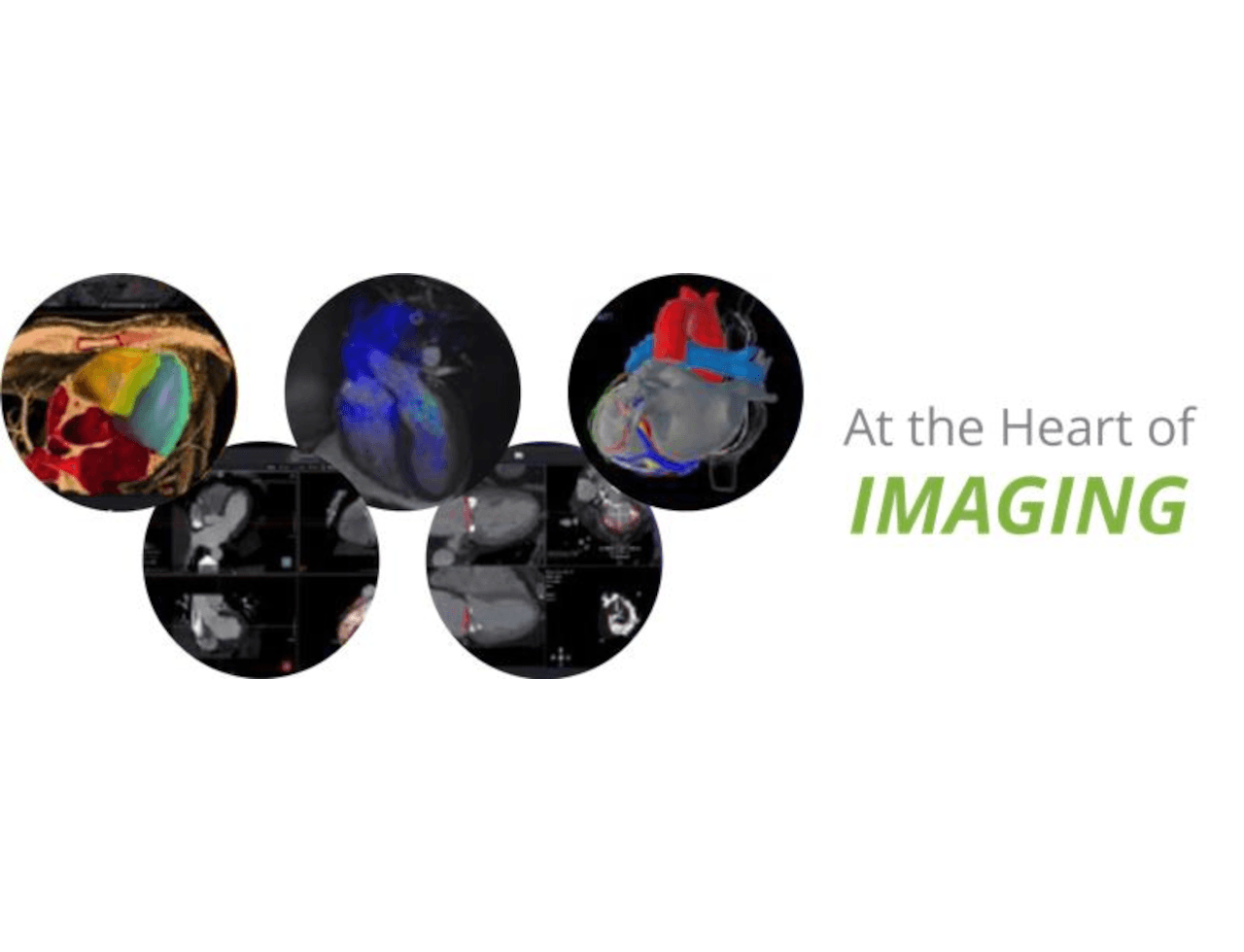
Cardiac imaging is expanding across MR, CT, structural heart and electrophysiology, each adding complexity and data volume. Circle Cardiovascular Imaging says that many hospitals still rely on siloed tools for each modality, creating inconsistent security, fragmented workflows and strain on IT. The latest release of cvi42, version 6.4, shows that an enterprise-ready platform can unify post-processing, automation and reporting.
For IT, consolidation means simplicity and control. With one architecture, database and update path, teams can manage security, performance and life cycle updates consistently across the enterprise. It strengthens cybersecurity, reduces integration risks and ensures predictable performance by scaling all modalities on a shared high performance environment.
Clinicians benefit from a single, intuitive workspace across imaging types. Uniform tools, AI-driven automation and integrated reporting reduce friction and training time while improving measurement consistency. Whether analysing MRI, CT or structural heart studies, users gain faster, reproducible results and seamless collaboration across teams.
For department leaders, one platform streamlines staffing and budgeting. Standardised workflow increases throughput, while consistent AI tools support quality improvement and research. Financially, says Circle Cardiovascular Imaging, a unified subscription model cuts licensing and support costs, laying the groundwork for scalable service line growth as new reimbursable analytics emerge.
Visit Circle Cardiovascular Imaging at ECR on stand 116 , X1.
This news story has been sponsored by the companies concerned and does not represent the views or opinions of RAD Magazine. Visit our dedicated ECR conference page to find out more.