Workflow design that reduces cognitive load matters for radiology wellbeing
As imaging demand continues to rise, workforce capacity struggles to keep pace. Half of radiologists report symptoms of burnout driven not only by workload, but by increasing cognitive complexity in reporting, says imaging workflow solutions provider Jacobian.
Daily workflows require constant context switching between systems, manual transfer of findings, repeated dictation of existing information and continuous checks for completeness and consistency. These micro interruptions accumulate into significant cognitive load, the company states. “AI has often been positioned as a solution, but its effectiveness depends on integration. Tools that operate as separate layers can add friction and time. By contrast, newer approaches embed automation and assistance directly into the reporting workflow.”
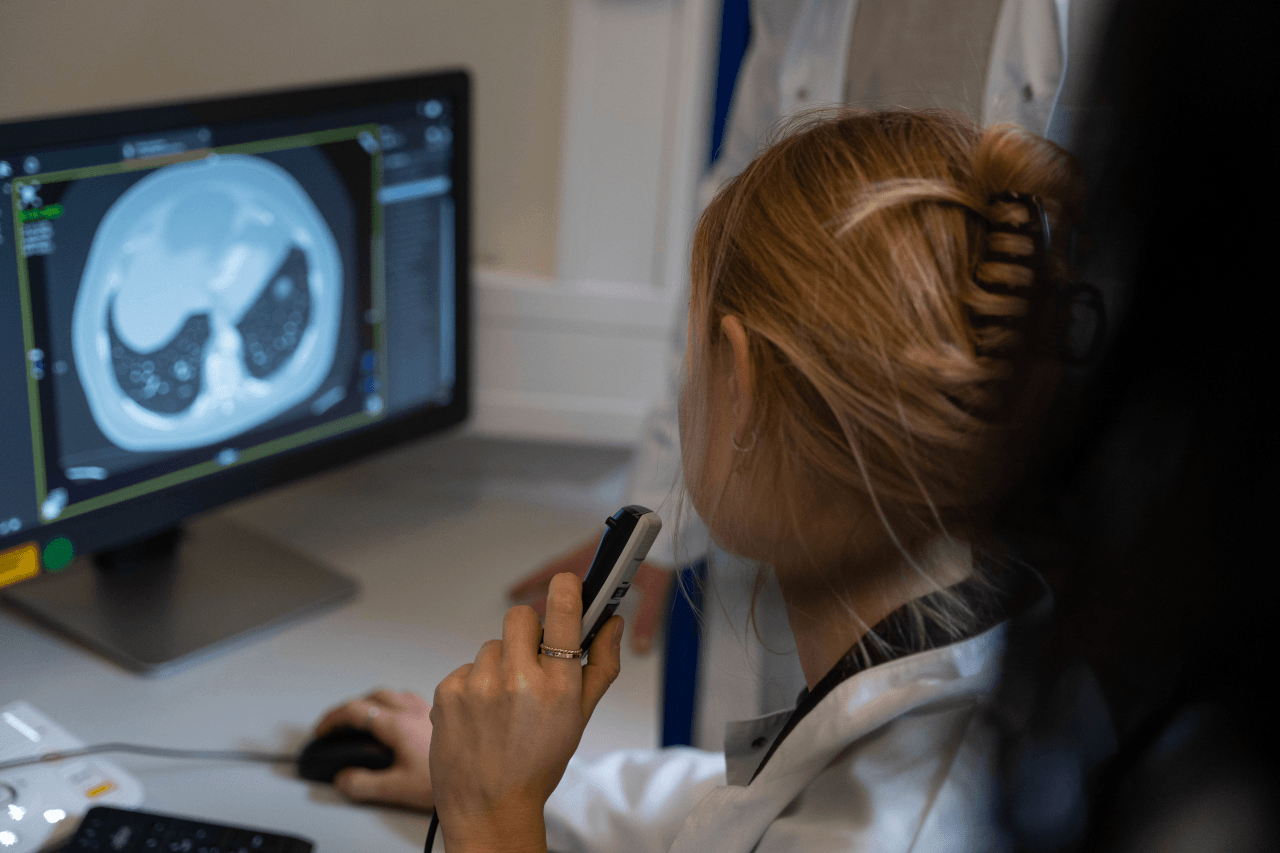
Jacobian takes a unified, collaborative platform approach to combine speech and structured reporting with workflow orchestration and extensions to drive a superior user experience for radiologists. Functionalities such as automated impression generation, real-time nudges to close gaps and guideline-based recommendations are integrated into the reporting process itself, supporting radiologists without removing clinical control.
“In practice, such workflow-integrated approaches have shown measurable impact: efficiency gains of 30 per cent and the ability to increase imaging volume by 27 per cent without additional staff have been reported over sustained periods,” Jacobian continues. “The gains are not only operational, but also in physician satisfaction. When repetitive tasks are reduced and relevant information is presented in context, radiologists can focus on interpretation rather than administration.”
Picture: Jacobian takes a unified platform approach to combine speech and structured reporting.
Read this report on page 27 of the May 2026 issue of RAD Magazine.