Manchester conference hears AI is coming but the radiologist will remain key
Artificial intelligence is one of the weapons that radiology can use to improve quality and productivity, but the consultant radiologist will remain at the heart of reporting, was a key message to emerge from the Improving Radiology Reporting meeting.
Chaired by Hampshire Hospitals NHS Foundation Trust consultant radiologist Dr Stephen Fenn, the Digital Image Summit event in Manchester attracted clinical directors, consultant radiologists, radiology managers and reporting radiographers from more than 30 NHS trusts, professional organisations and universities.
Delegates heard presentations on the challenges posed by an increasing demand for images coupled with difficulties in recruiting and retaining radiologists.
Many solutions were explored, including cross-regional sharing of images by programme director of the East Midlands Radiology Consortium (emrad) Penny Storr. emrad collaboratively distributes radiographs across 11 hospitals and seven trusts serving a patient population of 4.6 million.
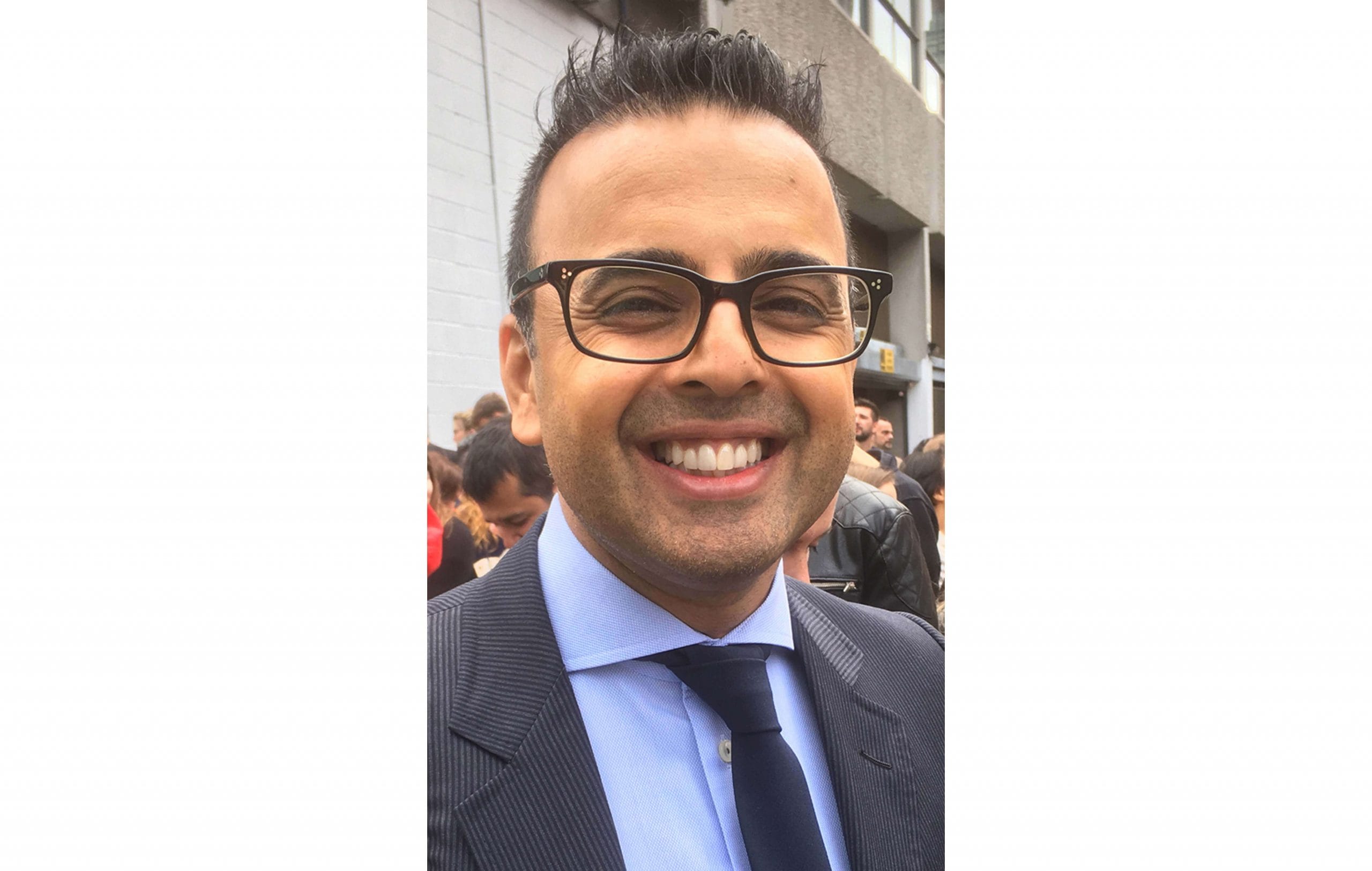
The national update on the state of radiology reporting was given by Mid Essex, Southend and Basildon group clinical director of radiology Dr Qaiser Malik. He explained that the 21st century paradigm of image reporting included decreasing image acquisition times and exponentially increasing amounts of imaging data that has to be processed increasingly closer to real time.
Dr Malik explored a number of potential solutions including the redesign of radiology services and different ways of insourcing and outsourcing radiology reporting, including AI.
Dr Malik is deputy chief medical officer at behold.ai, which provides ‘instant triage’ by identifying abnormalities across modalities within seconds. He agreed that the consultant radiologist would always be required in any AI process and told RAD Magazine: “If you try to bring in AI without involving the radiologist you will fail.”
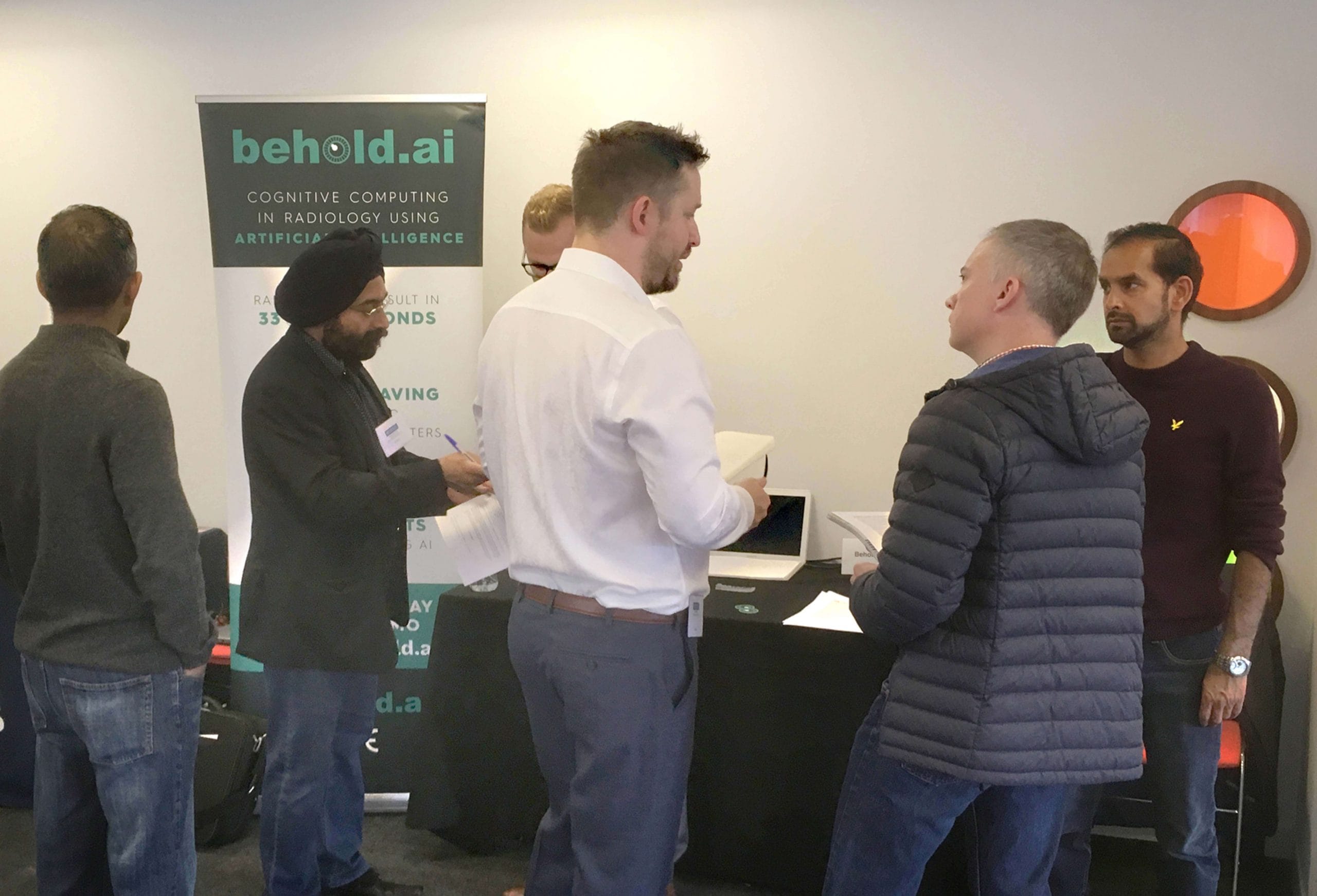
Lead picture: behold.ai global director of compliance Mike Harrison answers questions.
Published on page 3 of the September 2019 issue of RAD Magazine.