Pioneering London imaging centre uses AI to drive research

A new medical imaging centre at St Thomas’ Hospital incorporates the latest AI technology with clinical MRI scanners to improve patient care and develop research breakthroughs.
The £10.5 million Mary Seacole MRI Centre is shared between Guy’s and St Thomas’ NHS Foundation Trust and King’s College London, working with Siemens Healthineers.
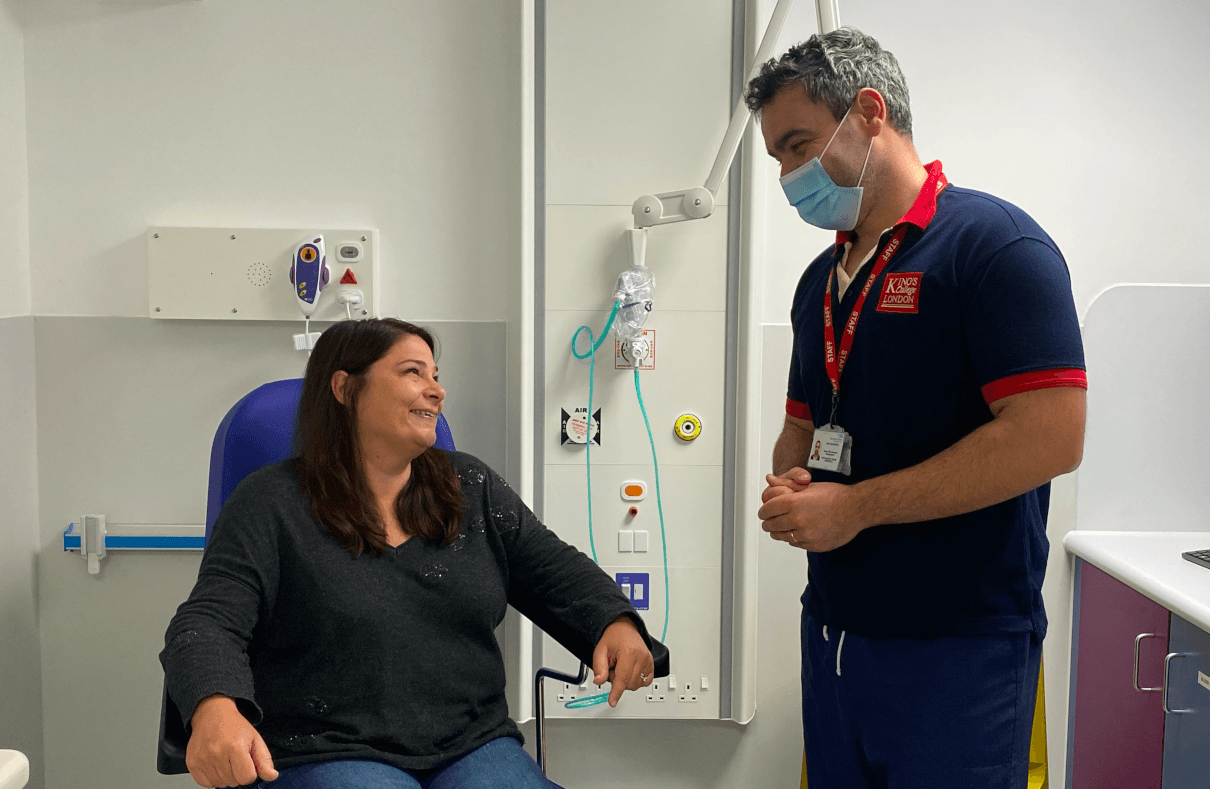 The centre is dedicated to enabling new developments in AI to be deployed in the NHS to benefit patient care. It is already providing advanced imaging techniques and technologies for scanning babies in the womb, diagnosing cancer and the treatment of cardiovascular and neurological conditions in adults and babies. With these advanced techniques, clinicians can gain important new information regarding the early identification of neurodevelopmental disorders and insights into underlying disease processes. The facility will enable an extra 7,000 patients a year to be scanned using the latest medical technology and will ultimately provide tailored imaging.
The Mary Seacole MRI Centre forms part of the strategy for St Thomas’ MedTech Hub, led by the School of Biomedical Engineering and Imaging Sciences at King’s College London and Guy’s and St Thomas’. St Thomas’ MedTech Hub will accelerate the translation of healthcare engineering research and improve provision of medical services.
Guy’s and St Thomas’ deputy chief executive Lawrence Tallon said: “This new centre includes the very latest imaging technology. Working with our long-standing partners at King’s College London, it will improve patients’ experiences at a vulnerable time and provide important research opportunities to further develop our understanding and treatment of many conditions.”
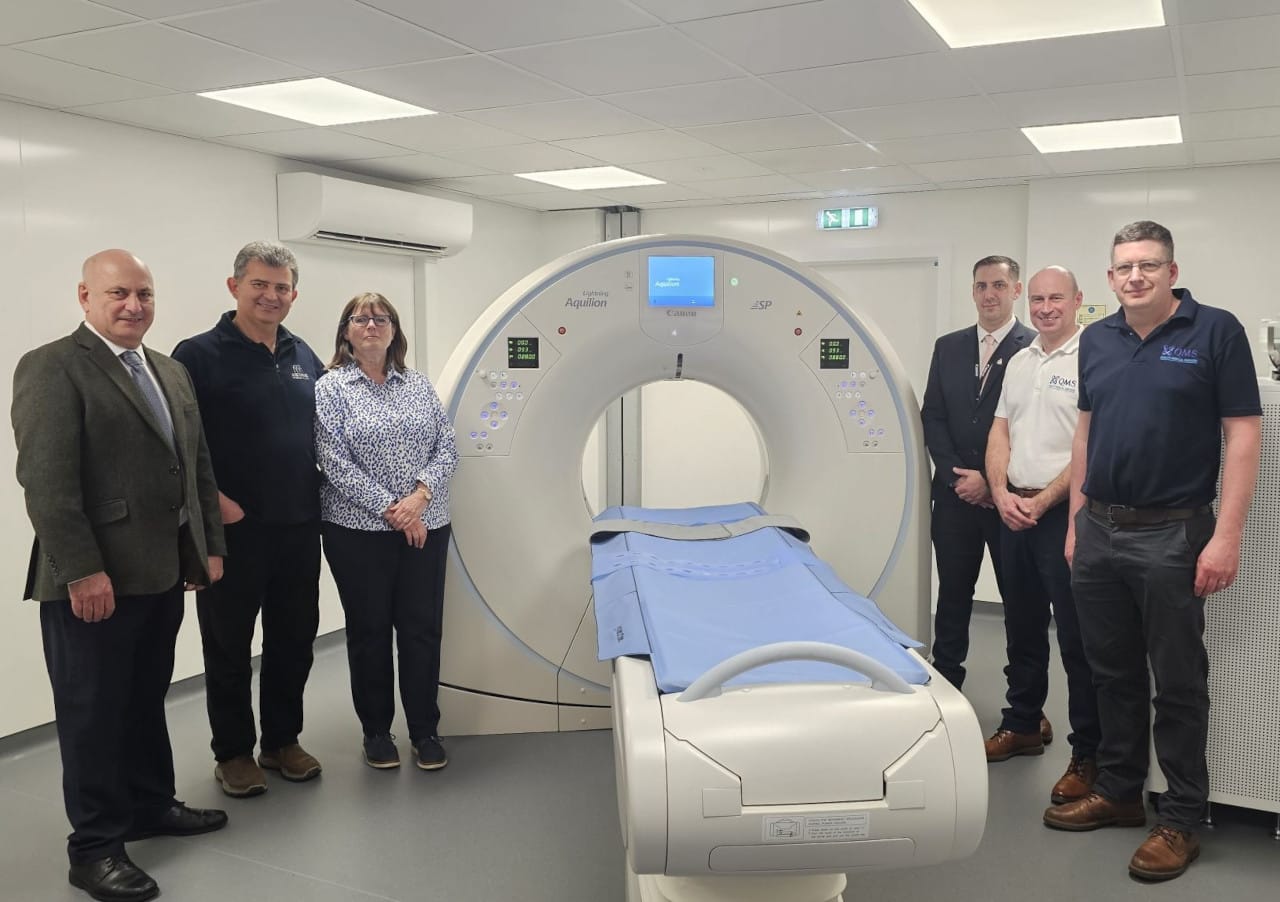
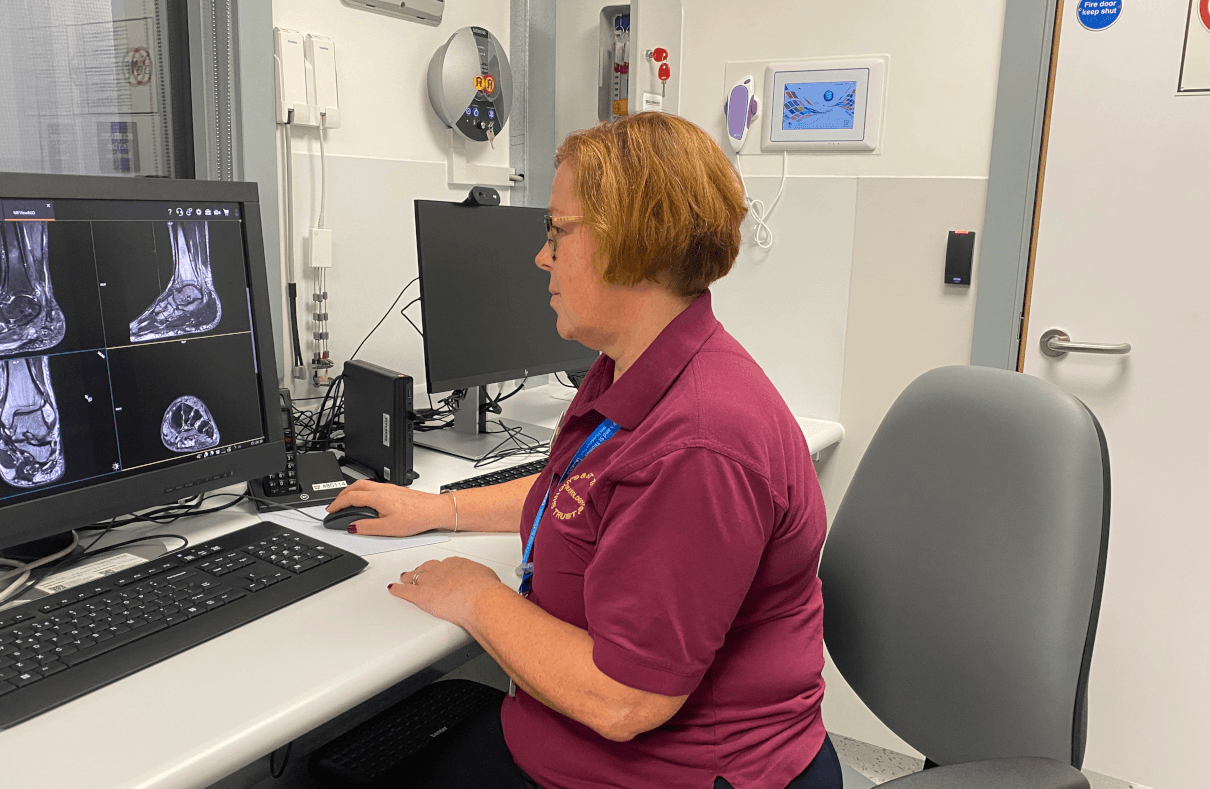 Equipment includes Siemens Healthineers 1.5T Magnetom Sola and 3.0T Magnetom Vida systems, adjacent to King’s College London’s Advanced MRI Centre which provides a facility for researchers in the capital to work together. This advanced centre houses a 0.55T Magnetom Free.Max, an ultra high field 7.0T Magnetom Terra and a second 3.0T Magnetom Vida, all from Siemens Healthineers. King’s researchers are already running projects on fetal and cardiac imaging, which will uncover underlying disease processes and provide information to help clinicians identify and diagnose problems much earlier. Researchers aim to make imaging more effective and for patients to obtain an assessment that is more valuable for them to manage their healthcare
Picture: Mary Seacole MRI Centre is providing advanced imaging techniques to give clinicians insights into underlying disease processes.
Published on page 4 of the January 2023 issue of RAD Magazine.