brain

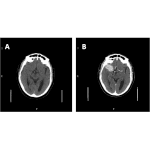
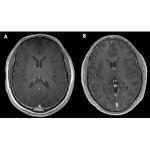
The added value of MRI brain for patients presenting with headache who have a normal unenhanced CT

Headaches are the most common neurological presenting complaint and affect up to half of the world’s population. Current guidelines suggest conducting either a CT or MR scan to identify intracranial pathology. Of course, not all patients experiencing headaches require neuroimaging; the investigations are costly, time consuming and would unnecessarily expose patients to radiation. Primary headache […]
Fiona Choi, Dr G Pears, Dr H Wieshmann

Liverpool University Hospitals NHS Foundation Trust
Read Article

Meningeal abnormalities

The aim of this article is to provide a structured approach for detecting and interpreting common pathologies involving the meninges. It is important to understand meningeal anatomy, the relationship of the meninges to the blood-brain barrier (BBB), and the effect of the MRI protocol on the normal enhancement characteristics of the meninges to accurately diagnose […]

Peter De Souza, Tom Campion

Barts Health NHS Trust

Read Article

Imaging of brain tumours

Imaging is initiated early in the diagnostic pathway of patients with suspected brain tumours. Symptoms suggestive of an intracranial mass lesion include progressive neurological deficit, seizures, cognitive and behavioural changes. It should be noted that headache in isolation is rarely a presentation of a brain tumour. Typically, patients present via the emergency department and imaging […]

Dr Samantha J Mills

The Walton Centre NHS Foundation Trust, Liverpool

Read Article

Stereotactic radiosurgery for brain metastases

Brain metastases (BM) represent an increasingly common challenge in the treatment of metastatic cancer. With improvements in both systemic and intra-cranial treatment, the incidence and prevalence of BM continues to rise; the incidence of brain metastases in patients with metastatic cancer has been estimated as high as 30-40%. Historically, management of brain metastases revolved around […]

Dr Rovel Colaco

The Christie NHS Foundation Trust

Read Article

Amyloid brain PET imaging

Brain positron emission tomography (PET) has also been used over many years to diagnose neurodegenerative diseases, and has advantages over MRI due to its higher sensitivity to detect pathologies at a molecular level. While 18F-fluorodeoxyglucose (FDG) PETCT is an established imaging technique for assisting in the differential diagnosis of Alzheimer’s disease (AD) and other forms […]

Nick Gulliver, Dr Nicola Mulholland, Dr Gill Vivian

King's College Hospital NHS Foundation Trust

Read Article

Brain tumour mimics on neuroimaging

There are multiple non-neoplastic lesions that can mimic intracranial neoplasms on neuroimaging. The differentiation between neoplasms and these tumour-like lesions is essential to making the correct management decisions, not least because there is significant morbidity and mortality associated with brain biopsy and surgery. It is important for us as radiologists to be aware of these […]

Dr Nikhil Birdi, Dr Priya Bhatnagar

Royal Victoria Infirmary

Read Article

Whole-brain radiotherapy of NSCLC patients with multiple brain metastases – an update

Non-small cell lung cancer (NSCLC) constitutes approximately 85% of all lung cancers, with the majority of patients having advanced disease at presentation. Between 10-20% present with brain metastases (BM) and up to 40% of patients will develop BM. The overall median survival is reported to average three to four months if treated with whole brain […]

Dr Swee-Ling Wong, Dr Ruheena Mendes, Professor Siow Ming Lee

University College London Hospitals NHS Foundation Trust

Read Article

Stay up to date with
RAD Magazine

Sign up for our newsletter.

We care about your data. Read our privacy policy.